Flashing News

Image

Keeping print inclusive: Empowering women in the print indu…

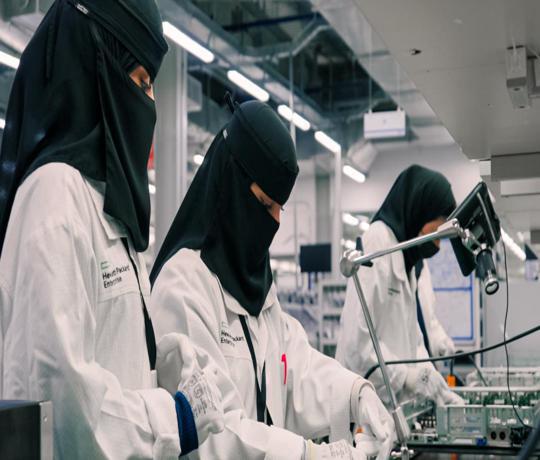
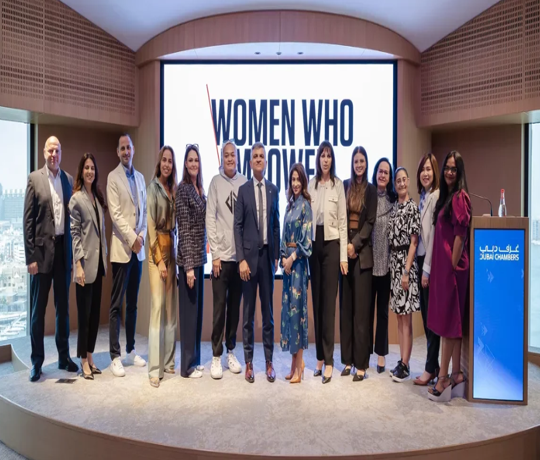
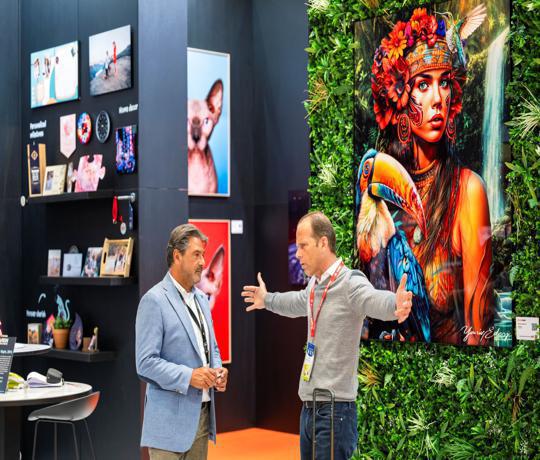
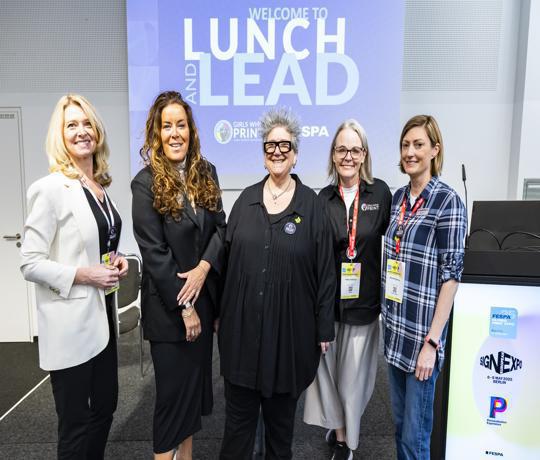
Across all industries, cultivating a diverse and inclusive workplace is increasingly recognised as valuable and essential to long-term success. However, despite the print industry’s significant advancements in technology and innovation, visible representation of women remains limited. As the sector grapples with low recruitment, it’s important to challenge outdated perceptions. Creating real change, however, requires collective effort - no single company can do it alone. As we mark International Women’s Day on 8th March, it is an important moment not only to celebrate the achievements of women across industries, but also to reflect on the tangible actions we can take to build a more inclusive and representative future for print. The Importance of Empowering Women in the Print Industry So, how can we empower the women already working within the industry, and provide them with the visibility and support they need to succeed? Studies have identified that the lack of female representation can leave female employees feeling isolated. According to the KPMG Women’s Leadership Study, over 80% of women felt encouraged to pursue leadership positions when they saw women already in those positions. Ensuring that both women and men are equally recognised is essential in transforming the face of what the print industry is. This can take many forms – from hosting seminars and talks to simply showcasing female talent on company social media platforms. In light of that, women-led organisations like Girls Who Print are also crucial in bridging these gaps. They offer mentorship, provide advice, and a sense of community that helps women navigate the unique challenges of the industry with confidence. Mentorship programmes are especially valuable, offering aspiring female professionals the chance to learn from seasoned print leaders and further their own career and skillset. Creating change also means looking beyond the companies themselves – to customers and collaborators. Supporting women-led initiatives and creatives is key.  Mimaki, for example, has collaborated with several inspiring female artists and designers, such as Tessa Koops, Claire Vos and Sigrid Calon. Furthermore, supporting non-profits like Tiny Miracles, which employs women from marginalised backgrounds in India by providing a steady income, helps create more opportunities for women globally. Attracting Women to the Industry: Changing Perceptions Another challenge arises in how to encourage a more diverse workplace in the first place. Print is often overlooked as a career path, unless you know of someone working within the industry, and this poses a problem in hiring diversely across the board. This is especially true for women, as print is frequently perceived as a traditional manufacturing sector, which has historically been male dominated. Such misconceptions can discourage women from seeing print as a viable or inspiring career option. In reality, the print industry is incredibly diverse and creative, spanning interior décor, signage, medical 3D printing prototypes and more. It’s not just about production, it’s about technology, innovation, and design. With the growing use of cutting-edge technologies like robotics and artificial intelligence, the industry now requires highly skilled employees who can operate and manage complex machinery. To attract more women – and more diverse talent in general—it’s crucial to shift the narrative. Print is no longer just about machines and manufacturing – it’s a forward-looking, technology-driven industry where people with diverse skillsets can thrive. Rebranding the print industry as a dynamic and creative career path is essential to attracting a more diverse workforce for a more inclusive future. At Mimaki, we believe in leading by example. Personally, I’ve been mentoring students for many years at the University of Amsterdam, with a particular focus on empowering young women as they take their first steps into the job market. This experience has given me the opportunity to highlight the diversity, creativity, and technological innovation that define today’s print industry – and to inspire more women to see themselves as part of its future. Over the years, we have also developed an internship programme that continues to grow and deliver excellent results, helping young talent gain hands-on experience and contribute new perspectives to our teams. A Step in the Right Direction While the print industry still faces challenges when it comes to female representation, the developments made in recent years are encouraging. More women are entering the field, taking on high-level positions and in general helping to shape the industry’s future. However, achieving true inclusivity and diversity will require continued effort from companies, organisations, and individuals. By supporting female talent, offering mentorship opportunities, and breaking down outdated perceptions about the industry, we can ensure that the print sector becomes a place where all employees, regardless of gender, feel valued and empowered. To continue this conversation, check out Mimaki’s Women in Print episode, part of Mimaki’s Print Different podcast series: https://www.youtube.com/watch?v=Bt5XHbo-8Wk Written by Danna Drion, General Manager Marketing and Product Management at Mimaki Europe
1 of 29. >>
Image

Keeping print inclusive: Empowering women in the print indu…

Across all industries, cultivating a diverse and inclusive workplace is increasingly recognised as valuable and essential to long-term success. However, despite the print industry’s significant advancements in technology and innovation, visible representation of women remains limited. As the sector grapples with low recruitment, it’s important to challenge outdated perceptions. Creating real change, however, requires collective effort - no single company can do it alone. As we mark International Women’s Day on 8th March, it is an important moment not only to celebrate the achievements of women across industries, but also to reflect on the tangible actions we can take to build a more inclusive and representative future for print. The Importance of Empowering Women in the Print Industry So, how can we empower the women already working within the industry, and provide them with the visibility and support they need to succeed? Studies have identified that the lack of female representation can leave female employees feeling isolated. According to the KPMG Women’s Leadership Study, over 80% of women felt encouraged to pursue leadership positions when they saw women already in those positions. Ensuring that both women and men are equally recognised is essential in transforming the face of what the print industry is. This can take many forms – from hosting seminars and talks to simply showcasing female talent on company social media platforms. In light of that, women-led organisations like Girls Who Print are also crucial in bridging these gaps. They offer mentorship, provide advice, and a sense of community that helps women navigate the unique challenges of the industry with confidence. Mentorship programmes are especially valuable, offering aspiring female professionals the chance to learn from seasoned print leaders and further their own career and skillset. Creating change also means looking beyond the companies themselves – to customers and collaborators. Supporting women-led initiatives and creatives is key.  Mimaki, for example, has collaborated with several inspiring female artists and designers, such as Tessa Koops, Claire Vos and Sigrid Calon. Furthermore, supporting non-profits like Tiny Miracles, which employs women from marginalised backgrounds in India by providing a steady income, helps create more opportunities for women globally. Attracting Women to the Industry: Changing Perceptions Another challenge arises in how to encourage a more diverse workplace in the first place. Print is often overlooked as a career path, unless you know of someone working within the industry, and this poses a problem in hiring diversely across the board. This is especially true for women, as print is frequently perceived as a traditional manufacturing sector, which has historically been male dominated. Such misconceptions can discourage women from seeing print as a viable or inspiring career option. In reality, the print industry is incredibly diverse and creative, spanning interior décor, signage, medical 3D printing prototypes and more. It’s not just about production, it’s about technology, innovation, and design. With the growing use of cutting-edge technologies like robotics and artificial intelligence, the industry now requires highly skilled employees who can operate and manage complex machinery. To attract more women – and more diverse talent in general—it’s crucial to shift the narrative. Print is no longer just about machines and manufacturing – it’s a forward-looking, technology-driven industry where people with diverse skillsets can thrive. Rebranding the print industry as a dynamic and creative career path is essential to attracting a more diverse workforce for a more inclusive future. At Mimaki, we believe in leading by example. Personally, I’ve been mentoring students for many years at the University of Amsterdam, with a particular focus on empowering young women as they take their first steps into the job market. This experience has given me the opportunity to highlight the diversity, creativity, and technological innovation that define today’s print industry – and to inspire more women to see themselves as part of its future. Over the years, we have also developed an internship programme that continues to grow and deliver excellent results, helping young talent gain hands-on experience and contribute new perspectives to our teams. A Step in the Right Direction While the print industry still faces challenges when it comes to female representation, the developments made in recent years are encouraging. More women are entering the field, taking on high-level positions and in general helping to shape the industry’s future. However, achieving true inclusivity and diversity will require continued effort from companies, organisations, and individuals. By supporting female talent, offering mentorship opportunities, and breaking down outdated perceptions about the industry, we can ensure that the print sector becomes a place where all employees, regardless of gender, feel valued and empowered. To continue this conversation, check out Mimaki’s Women in Print episode, part of Mimaki’s Print Different podcast series: https://www.youtube.com/watch?v=Bt5XHbo-8Wk Written by Danna Drion, General Manager Marketing and Product Management at Mimaki Europe
1 of 29. >>
sidebar image
Editor

Keeping print inclusive: Empowering women in the print industry

Across all industries, cultivating a diverse and inclusive workplace is increasingly recognised as valuable and essential to long-term success. However, despite the print industry’s significant advancements in technology and innovation, visible representation of women remains limited. As the sector grapples with low recruitment, it’s important to challenge outdated perceptions. Creating real change, however, requires collective effort - no single company can do it alone. As we mark International Women’s Day on 8th March, it is an important moment not only to celebrate the achievements of women across industries, but also to reflect on the tangible actions we can take to build a more inclusive and representative future for print. The Importance of Empowering Women in the Print Industry So, how can we empower the women already working within the industry, and provide them with the visibility and support they need to succeed? Studies have identified that the lack of female representation can leave female employees feeling isolated. According to the KPMG Women’s Leadership Study, over 80% of women felt encouraged to pursue leadership positions when they saw women already in those positions. Ensuring that both women and men are equally recognised is essential in transforming the face of what the print industry is. This can take many forms – from hosting seminars and talks to simply showcasing female talent on company social media platforms. In light of that, women-led organisations like Girls Who Print are also crucial in bridging these gaps. They offer mentorship, provide advice, and a sense of community that helps women navigate the unique challenges of the industry with confidence. Mentorship programmes are especially valuable, offering aspiring female professionals the chance to learn from seasoned print leaders and further their own career and skillset. Creating change also means looking beyond the companies themselves – to customers and collaborators. Supporting women-led initiatives and creatives is key.  Mimaki, for example, has collaborated with several inspiring female artists and designers, such as Tessa Koops, Claire Vos and Sigrid Calon. Furthermore, supporting non-profits like Tiny Miracles, which employs women from marginalised backgrounds in India by providing a steady income, helps create more opportunities for women globally. Attracting Women to the Industry: Changing Perceptions Another challenge arises in how to encourage a more diverse workplace in the first place. Print is often overlooked as a career path, unless you know of someone working within the industry, and this poses a problem in hiring diversely across the board. This is especially true for women, as print is frequently perceived as a traditional manufacturing sector, which has historically been male dominated. Such misconceptions can discourage women from seeing print as a viable or inspiring career option. In reality, the print industry is incredibly diverse and creative, spanning interior décor, signage, medical 3D printing prototypes and more. It’s not just about production, it’s about technology, innovation, and design. With the growing use of cutting-edge technologies like robotics and artificial intelligence, the industry now requires highly skilled employees who can operate and manage complex machinery. To attract more women – and more diverse talent in general—it’s crucial to shift the narrative. Print is no longer just about machines and manufacturing – it’s a forward-looking, technology-driven industry where people with diverse skillsets can thrive. Rebranding the print industry as a dynamic and creative career path is essential to attracting a more diverse workforce for a more inclusive future. At Mimaki, we believe in leading by example. Personally, I’ve been mentoring students for many years at the University of Amsterdam, with a particular focus on empowering young women as they take their first steps into the job market. This experience has given me the opportunity to highlight the diversity, creativity, and technological innovation that define today’s print industry – and to inspire more women to see themselves as part of its future. Over the years, we have also developed an internship programme that continues to grow and deliver excellent results, helping young talent gain hands-on experience and contribute new perspectives to our teams. A Step in the Right Direction While the print industry still faces challenges when it comes to female representation, the developments made in recent years are encouraging. More women are entering the field, taking on high-level positions and in general helping to shape the industry’s future. However, achieving true inclusivity and diversity will require continued effort from companies, organisations, and individuals. By supporting female talent, offering mentorship opportunities, and breaking down outdated perceptions about the industry, we can ensure that the print sector becomes a place where all employees, regardless of gender, feel valued and empowered. To continue this conversation, check out Mimaki’s Women in Print episode, part of Mimaki’s Print Different podcast series: https://www.youtube.com/watch?v=Bt5XHbo-8Wk Written by Danna Drion, General Manager Marketing and Product Management at Mimaki Europe
Read More
1 of 29 >>
Image

Keeping print inclusive: Empowering women in the print industry

Across all industries, cultivating a diverse and inclusive workplace is increasingly recognised as valuable and essential to long-term success. However, despite the print industry’s significant advancements in technology and innovation, visible representation of women remains limited. As the sector grapples with low recruitment, it’s important to challenge outdated perceptions. Creating real change, however, requires collective effort - no single company can do it alone. As we mark International Women’s Day on 8th March, it is an important moment not only to celebrate the achievements of women across industries, but also to reflect on the tangible actions we can take to build a more inclusive and representative future for print. The Importance of Empowering Women in the Print Industry So, how can we empower the women already working within the industry, and provide them with the visibility and support they need to succeed? Studies have identified that the lack of female representation can leave female employees feeling isolated. According to the KPMG Women’s Leadership Study, over 80% of women felt encouraged to pursue leadership positions when they saw women already in those positions. Ensuring that both women and men are equally recognised is essential in transforming the face of what the print industry is. This can take many forms – from hosting seminars and talks to simply showcasing female talent on company social media platforms. In light of that, women-led organisations like Girls Who Print are also crucial in bridging these gaps. They offer mentorship, provide advice, and a sense of community that helps women navigate the unique challenges of the industry with confidence. Mentorship programmes are especially valuable, offering aspiring female professionals the chance to learn from seasoned print leaders and further their own career and skillset. Creating change also means looking beyond the companies themselves – to customers and collaborators. Supporting women-led initiatives and creatives is key.  Mimaki, for example, has collaborated with several inspiring female artists and designers, such as Tessa Koops, Claire Vos and Sigrid Calon. Furthermore, supporting non-profits like Tiny Miracles, which employs women from marginalised backgrounds in India by providing a steady income, helps create more opportunities for women globally. Attracting Women to the Industry: Changing Perceptions Another challenge arises in how to encourage a more diverse workplace in the first place. Print is often overlooked as a career path, unless you know of someone working within the industry, and this poses a problem in hiring diversely across the board. This is especially true for women, as print is frequently perceived as a traditional manufacturing sector, which has historically been male dominated. Such misconceptions can discourage women from seeing print as a viable or inspiring career option. In reality, the print industry is incredibly diverse and creative, spanning interior décor, signage, medical 3D printing prototypes and more. It’s not just about production, it’s about technology, innovation, and design. With the growing use of cutting-edge technologies like robotics and artificial intelligence, the industry now requires highly skilled employees who can operate and manage complex machinery. To attract more women – and more diverse talent in general—it’s crucial to shift the narrative. Print is no longer just about machines and manufacturing – it’s a forward-looking, technology-driven industry where people with diverse skillsets can thrive. Rebranding the print industry as a dynamic and creative career path is essential to attracting a more diverse workforce for a more inclusive future. At Mimaki, we believe in leading by example. Personally, I’ve been mentoring students for many years at the University of Amsterdam, with a particular focus on empowering young women as they take their first steps into the job market. This experience has given me the opportunity to highlight the diversity, creativity, and technological innovation that define today’s print industry – and to inspire more women to see themselves as part of its future. Over the years, we have also developed an internship programme that continues to grow and deliver excellent results, helping young talent gain hands-on experience and contribute new perspectives to our teams. A Step in the Right Direction While the print industry still faces challenges when it comes to female representation, the developments made in recent years are encouraging. More women are entering the field, taking on high-level positions and in general helping to shape the industry’s future. However, achieving true inclusivity and diversity will require continued effort from companies, organisations, and individuals. By supporting female talent, offering mentorship opportunities, and breaking down outdated perceptions about the industry, we can ensure that the print sector becomes a place where all employees, regardless of gender, feel valued and empowered. To continue this conversation, check out Mimaki’s Women in Print episode, part of Mimaki’s Print Different podcast series: https://www.youtube.com/watch?v=Bt5XHbo-8Wk Written by Danna Drion, General Manager Marketing and Product Management at Mimaki Europe
1 of 29. >>
sidebar image
james Bond 50 50

Migrants Told: Stay in France or go back to your country

Lorem ipsum dolor sit amet, consectetur adipiscing elit. Nunc nisl risus, tristique diam id, blandit condimentum

READ MORE

DIARY


STAR products

  • Star product: Zaikio Print Connectivity Platform

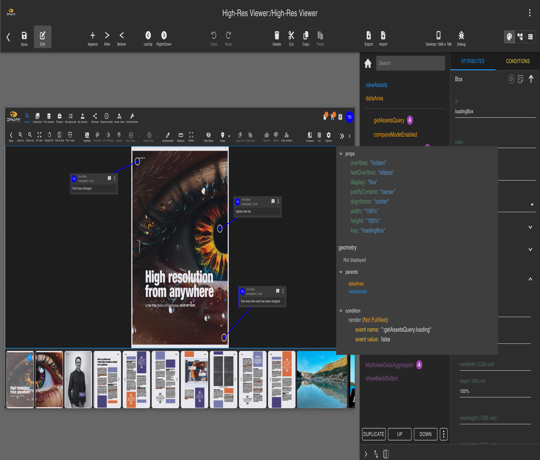
    What does Zaikio do? Zaikio is a “print-specific connectivity platform,” intended to allow everyone in the print industry to link their systems together, whether printer, software vendor or supplier. End-users can access its connectivity for free, though they can buy compatible Zaikio or third-party products through an app store. According to Zaikio’s partner success manager Karl Ciz, who will handle UK enquiries, it will allow “print-related data to be shared on a level playing field for the first time”. In simple terms, it’s an alternative to JDF that should allow user-level plug-and-play connectivity between systems from different manufacturers – JDF promised but never delivered plug-and-play.
    Aug. 2, 2022

    Star product: Sitma 1150-FP Fast Pack

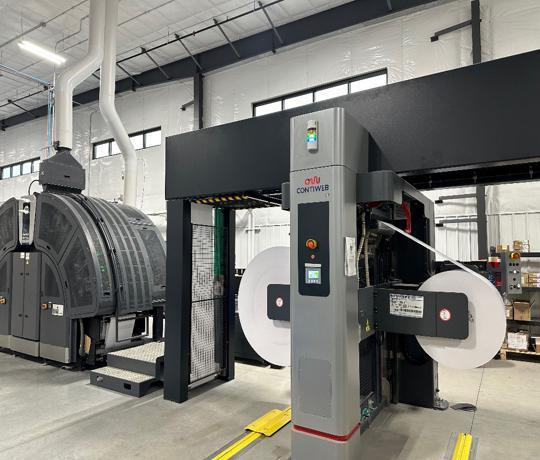
    What does it do? Sitma’s introduction of the FP-version of its 1150 wrapping machine last year proved prescient in a way that couldn’t be predicted. FP stands for Fast Pack and this model is particularly suited to wrapping variable-sized ‘e-commerce’ goods for mail and courier delivery that have boomed this year. Sitma’s website points out that it can wrap packs of facemasks. The first 1150-FP to be ordered has gone to the US, to “one of the largest e-commerce companies in the world,” that Sitma won’t name but it’s easy to guess. The Fast Pack can also be used for conventional paper or film wrapping of direct mail and publications. When was it launched and what is the target market? Sitma is an Italian company. Its 1150 wrapping line was introduced in 2007 and is one of several wrappers in its range, offering different speeds and price points. All are sold in the UK though Engelmann & Buckham. The Fast Pack was announced last year as a new configuration, joining the existing 1150-FW-PK model, for either paper or polywrapping of printed media; and the PK dedicated to paper wrapping. Richard MacLean, the director at Engelmann & Buckham specialising in Sitma products, says that the Fast Pack is aimed squarely at e-commerce fulfilment, but could help existing DM houses branch out into fulfilment of items other than flat printed papers. Sitma has also recently introduced a dedicated e-commerce fulfilment polywrapper called e-commerce 2.0, which handles single or multiple items of varying shapes and sizes and forms bags around them on the fly. How does it work? The Fast Pack model is primarily intended to wrap using strong brown kraft paper as an automated replacement for hand wrapping or boxing of products, especially variable height flat items such as books, CDs and DVDs. White paper or polywrap can also be used, but is thought less likely in use. Items can be hand-fed on a conveyor into the wrapping area. In 2018 Sitma demonstrated a corobot load/unload unit offline at a mailing exhibition, and now lists this as an option for most of its wrap lines. A barcode reader is used to ensure data integrity with matching of the contents to outer addresses. A label printer-applicator or inline direct inkjet printer can be fitted for addressing and other personalisation.
    Aug. 2, 2022
Top