Flashing News

Image

Canon Middle East strengthens industry expertise through Ce…

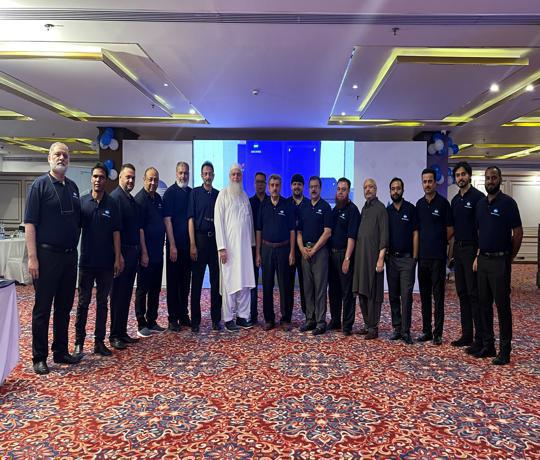
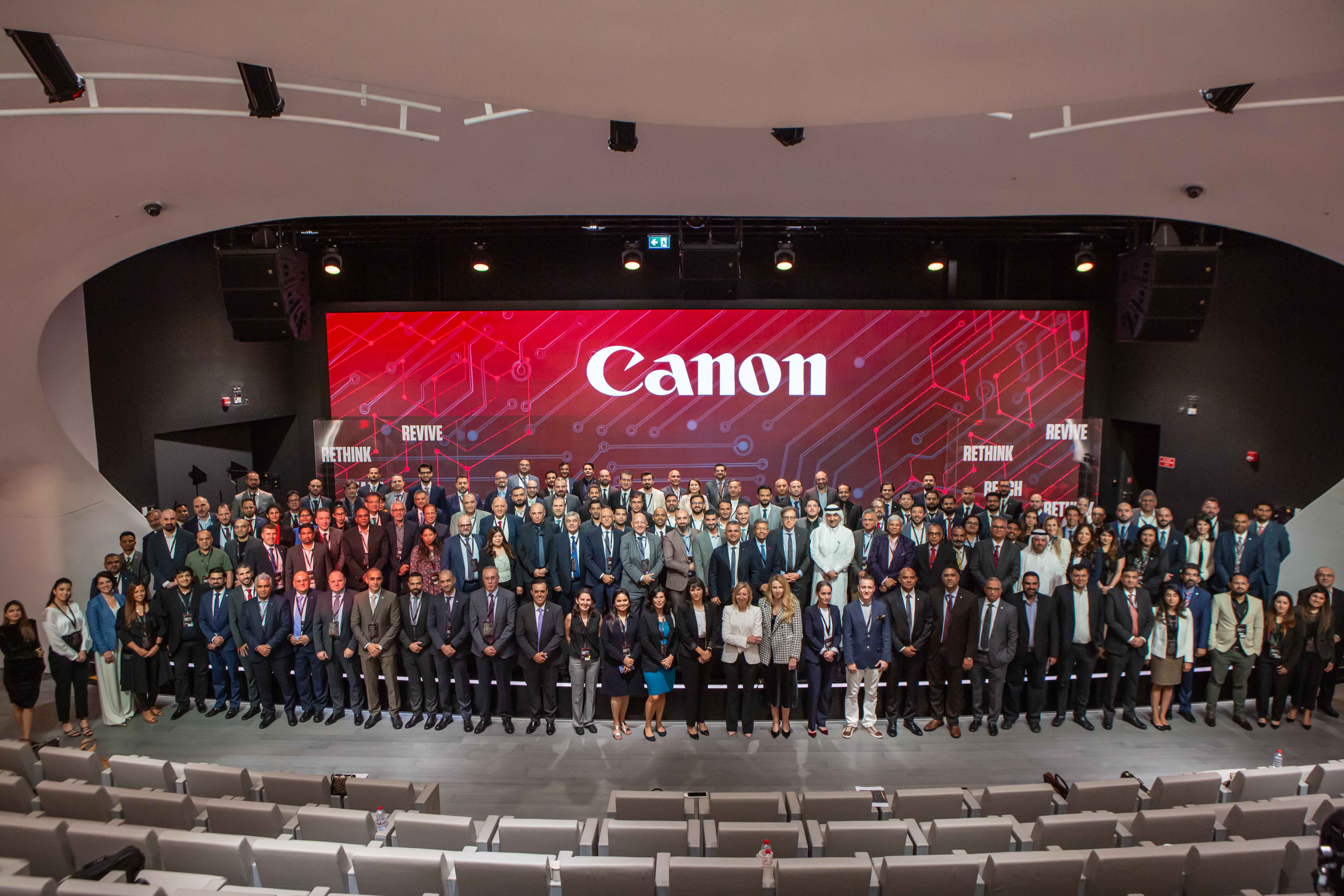
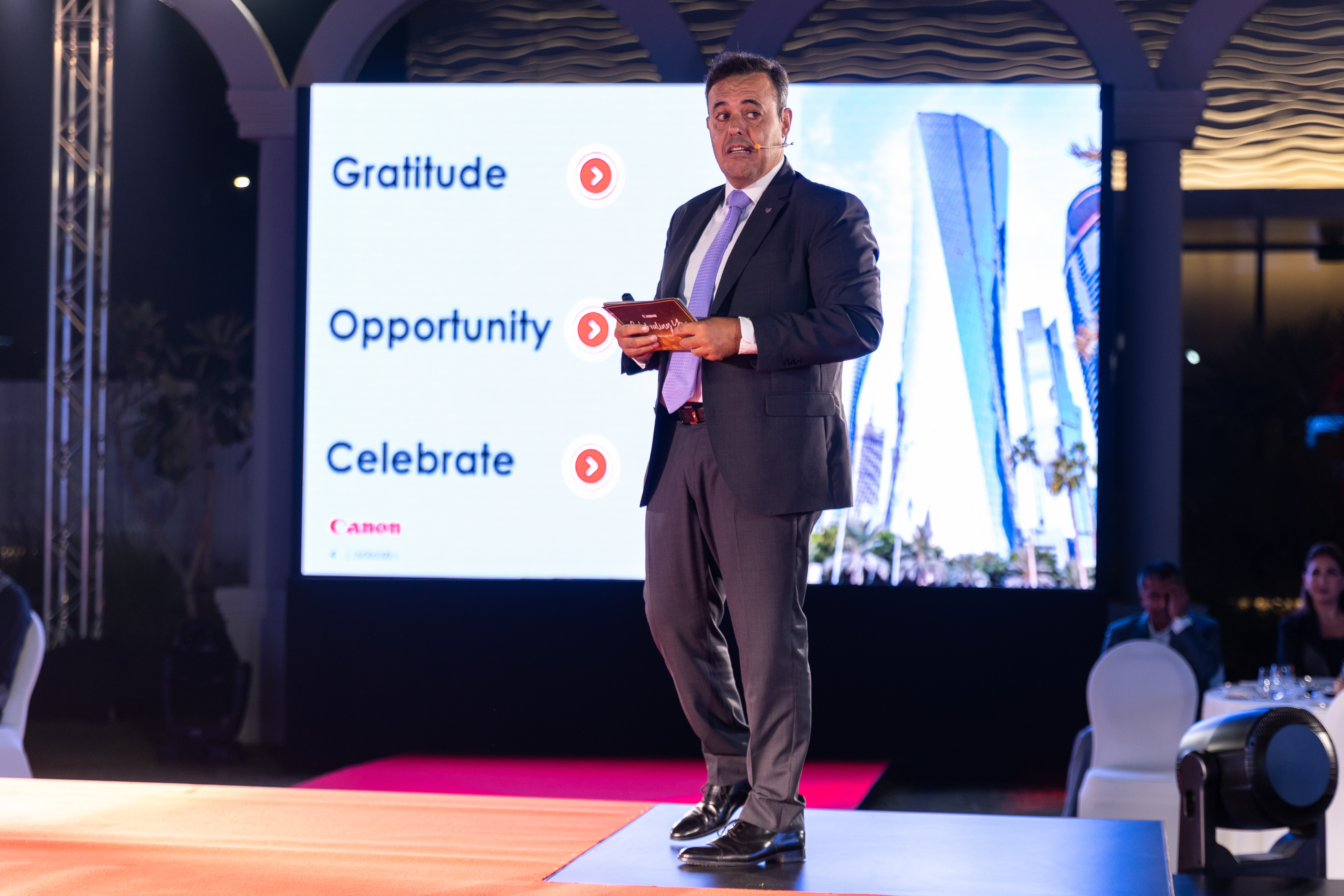
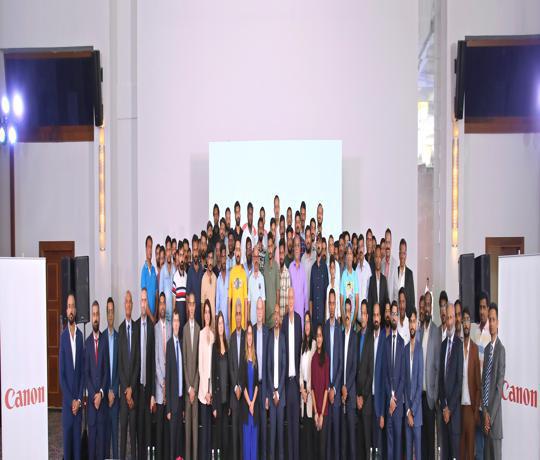
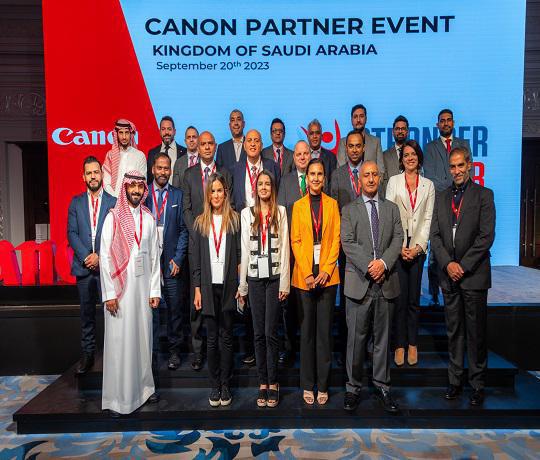
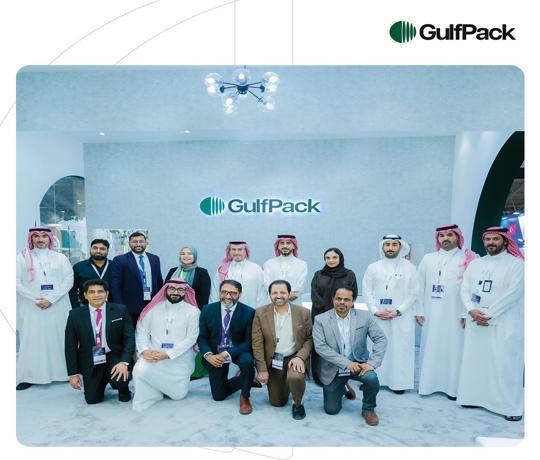
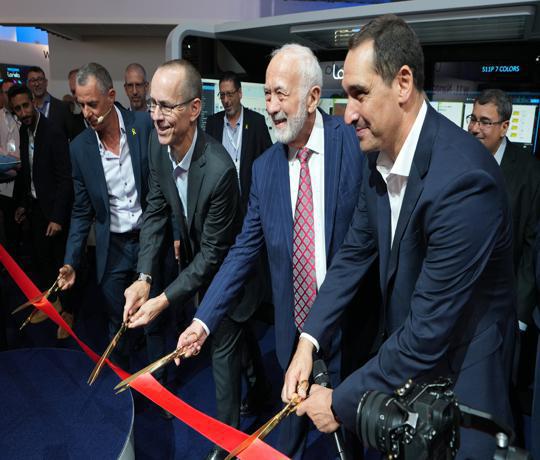
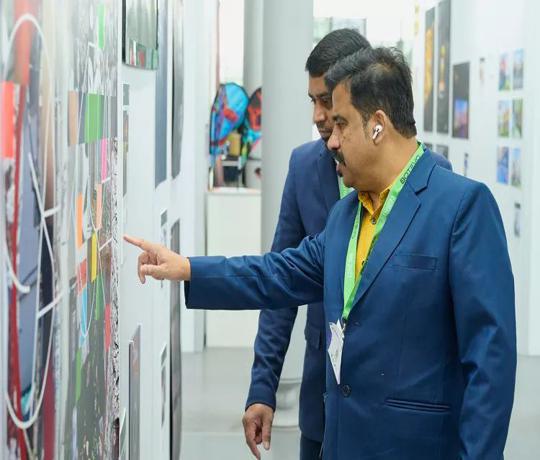
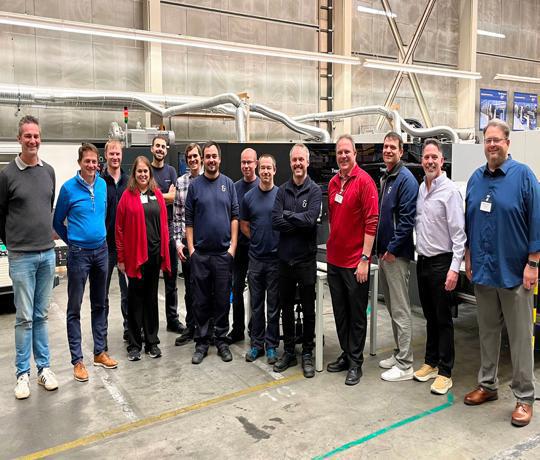
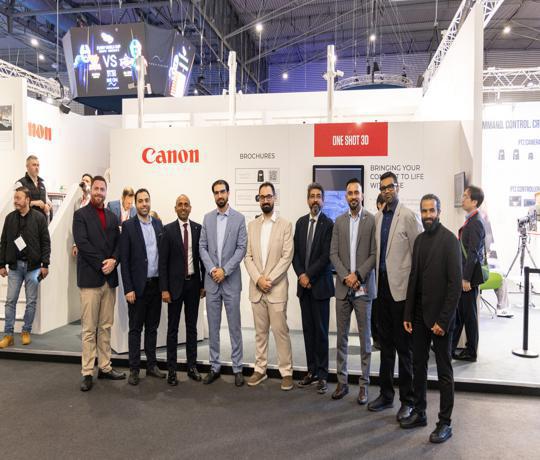
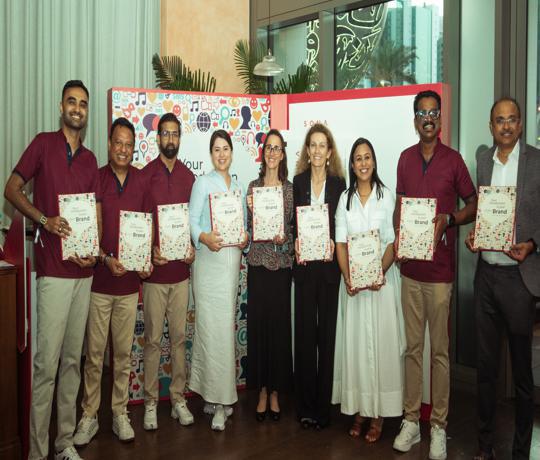
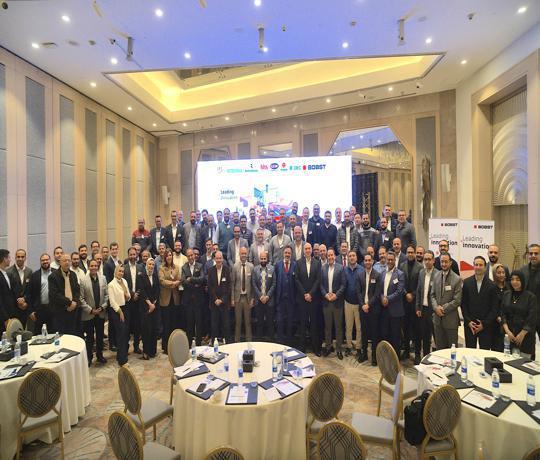
Canon Middle East has successfully concluded the first official graduation ceremony of its Canon Certified Printing Consultant (CCPC) program, marking a significant milestone in the professional printing industry and reinforcing Canon’s long-term commitment to developing consultative expertise in an evolving print landscape. The three-day CCPC Graduation Event, held in Dubai, celebrated the successful completion of a rigorous, year-long program designed to develop highly skilled printing consultants capable of navigating today’s increasingly complex commercial print, packaging, workflow, and application environments. Launched in 2024, the CCPC program represents Canon’s strategic response to the changing needs of the printing industry, where customers are seeking trusted advisors who can translate technology into measurable business value. The comprehensive curriculum combines advanced theoretical learning with hands-on, real-world applications, including complex commercial print cases, workflow-driven projects, and innovative digital printing applications. “The printing industry today is no longer about products alone – it is about insight, confidence, and long-term value creation,” said Shadi Bakhour, B2B Business Unit Director at Canon Middle East. “The CCPC program was designed to develop true printing consultants who can understand customer challenges, design the right solutions, and guide businesses through transformation. This first graduating cohort demonstrates exactly why this approach is critical for the future of print.” Throughout the program, participants were challenged to develop and present real commercial print cases reflecting complex sales cycles and operational realities. In parallel, they designed practical digital printing applications that demonstrated the effective use of production technologies, workflow automation, sustainability considerations, and business impact modelling. Graduates presented their work to evaluation panels comprising Canon Middle East leadership and external industry printing experts, ensuring a high level of assessment credibility and industry relevance. The graduation ceremony also featured an application gallery showcasing the creativity, technical depth, and business thinking demonstrated by the participants. The seven CCPC graduates – Ahmed Assal, Ahmed Hasouba, Ajish Paul, Muhammed Shabaan, Emre Polat, Nowfel Kurukkalparambil, and Omkar Viswas Rao – received their professional certifications following a rigorous evaluation of application creativity, business impact, economic viability, technology selection, workflow optimization, competitive advantages, print quality, and presentation excellence. “What makes CCPC unique is the depth and structure of the journey,” said Ayman Aly, B2B Marketing Director at Canon Middle East. “This is not a short-term training initiative. It is a one-year transformation that blends technology, applications, workflow, and business strategy, preparing consultants to support customers in an industry that is rapidly evolving toward personalization, automation, and sustainability.” The graduation ceremony welcomed Canon Middle East leadership alongside industry professionals and external guests, reinforcing the growing importance of consultative expertise and continuous professional development within the printing ecosystem. Building on the success of its inaugural cohort, Canon Middle East also announced the continuation of the CCPC program, with a new intake planned for 2026, further reinforcing Canon’s commitment to shaping the future of professional printing through knowledge, expertise, and innovation.
1 of 52. >>
Image

Canon Middle East strengthens industry expertise through Ce…

Canon Middle East has successfully concluded the first official graduation ceremony of its Canon Certified Printing Consultant (CCPC) program, marking a significant milestone in the professional printing industry and reinforcing Canon’s long-term commitment to developing consultative expertise in an evolving print landscape. The three-day CCPC Graduation Event, held in Dubai, celebrated the successful completion of a rigorous, year-long program designed to develop highly skilled printing consultants capable of navigating today’s increasingly complex commercial print, packaging, workflow, and application environments. Launched in 2024, the CCPC program represents Canon’s strategic response to the changing needs of the printing industry, where customers are seeking trusted advisors who can translate technology into measurable business value. The comprehensive curriculum combines advanced theoretical learning with hands-on, real-world applications, including complex commercial print cases, workflow-driven projects, and innovative digital printing applications. “The printing industry today is no longer about products alone – it is about insight, confidence, and long-term value creation,” said Shadi Bakhour, B2B Business Unit Director at Canon Middle East. “The CCPC program was designed to develop true printing consultants who can understand customer challenges, design the right solutions, and guide businesses through transformation. This first graduating cohort demonstrates exactly why this approach is critical for the future of print.” Throughout the program, participants were challenged to develop and present real commercial print cases reflecting complex sales cycles and operational realities. In parallel, they designed practical digital printing applications that demonstrated the effective use of production technologies, workflow automation, sustainability considerations, and business impact modelling. Graduates presented their work to evaluation panels comprising Canon Middle East leadership and external industry printing experts, ensuring a high level of assessment credibility and industry relevance. The graduation ceremony also featured an application gallery showcasing the creativity, technical depth, and business thinking demonstrated by the participants. The seven CCPC graduates – Ahmed Assal, Ahmed Hasouba, Ajish Paul, Muhammed Shabaan, Emre Polat, Nowfel Kurukkalparambil, and Omkar Viswas Rao – received their professional certifications following a rigorous evaluation of application creativity, business impact, economic viability, technology selection, workflow optimization, competitive advantages, print quality, and presentation excellence. “What makes CCPC unique is the depth and structure of the journey,” said Ayman Aly, B2B Marketing Director at Canon Middle East. “This is not a short-term training initiative. It is a one-year transformation that blends technology, applications, workflow, and business strategy, preparing consultants to support customers in an industry that is rapidly evolving toward personalization, automation, and sustainability.” The graduation ceremony welcomed Canon Middle East leadership alongside industry professionals and external guests, reinforcing the growing importance of consultative expertise and continuous professional development within the printing ecosystem. Building on the success of its inaugural cohort, Canon Middle East also announced the continuation of the CCPC program, with a new intake planned for 2026, further reinforcing Canon’s commitment to shaping the future of professional printing through knowledge, expertise, and innovation.
1 of 52. >>
sidebar image
Dhanya A K

Canon Middle East strengthens industry expertise through Certified Pr…

Canon Middle East has successfully concluded the first official graduation ceremony of its Canon Certified Printing Consultant (CCPC) program, marking a significant milestone in the professional printing industry and reinforcing Canon’s long-term commitment to developing consultative expertise in an evolving print landscape. The three-day CCPC Graduation Event, held in Dubai, celebrated the successful completion of a rigorous, year-long program designed to develop highly skilled printing consultants capable of navigating today’s increasingly complex commercial print, packaging, workflow, and application environments. Launched in 2024, the CCPC program represents Canon’s strategic response to the changing needs of the printing industry, where customers are seeking trusted advisors who can translate technology into measurable business value. The comprehensive curriculum combines advanced theoretical learning with hands-on, real-world applications, including complex commercial print cases, workflow-driven projects, and innovative digital printing applications. “The printing industry today is no longer about products alone – it is about insight, confidence, and long-term value creation,” said Shadi Bakhour, B2B Business Unit Director at Canon Middle East. “The CCPC program was designed to develop true printing consultants who can understand customer challenges, design the right solutions, and guide businesses through transformation. This first graduating cohort demonstrates exactly why this approach is critical for the future of print.” Throughout the program, participants were challenged to develop and present real commercial print cases reflecting complex sales cycles and operational realities. In parallel, they designed practical digital printing applications that demonstrated the effective use of production technologies, workflow automation, sustainability considerations, and business impact modelling. Graduates presented their work to evaluation panels comprising Canon Middle East leadership and external industry printing experts, ensuring a high level of assessment credibility and industry relevance. The graduation ceremony also featured an application gallery showcasing the creativity, technical depth, and business thinking demonstrated by the participants. The seven CCPC graduates – Ahmed Assal, Ahmed Hasouba, Ajish Paul, Muhammed Shabaan, Emre Polat, Nowfel Kurukkalparambil, and Omkar Viswas Rao – received their professional certifications following a rigorous evaluation of application creativity, business impact, economic viability, technology selection, workflow optimization, competitive advantages, print quality, and presentation excellence. “What makes CCPC unique is the depth and structure of the journey,” said Ayman Aly, B2B Marketing Director at Canon Middle East. “This is not a short-term training initiative. It is a one-year transformation that blends technology, applications, workflow, and business strategy, preparing consultants to support customers in an industry that is rapidly evolving toward personalization, automation, and sustainability.” The graduation ceremony welcomed Canon Middle East leadership alongside industry professionals and external guests, reinforcing the growing importance of consultative expertise and continuous professional development within the printing ecosystem. Building on the success of its inaugural cohort, Canon Middle East also announced the continuation of the CCPC program, with a new intake planned for 2026, further reinforcing Canon’s commitment to shaping the future of professional printing through knowledge, expertise, and innovation.
Read More
1 of 52 >>
Image

How Mimaki’s UV LED printers can add an extra layer to your signage

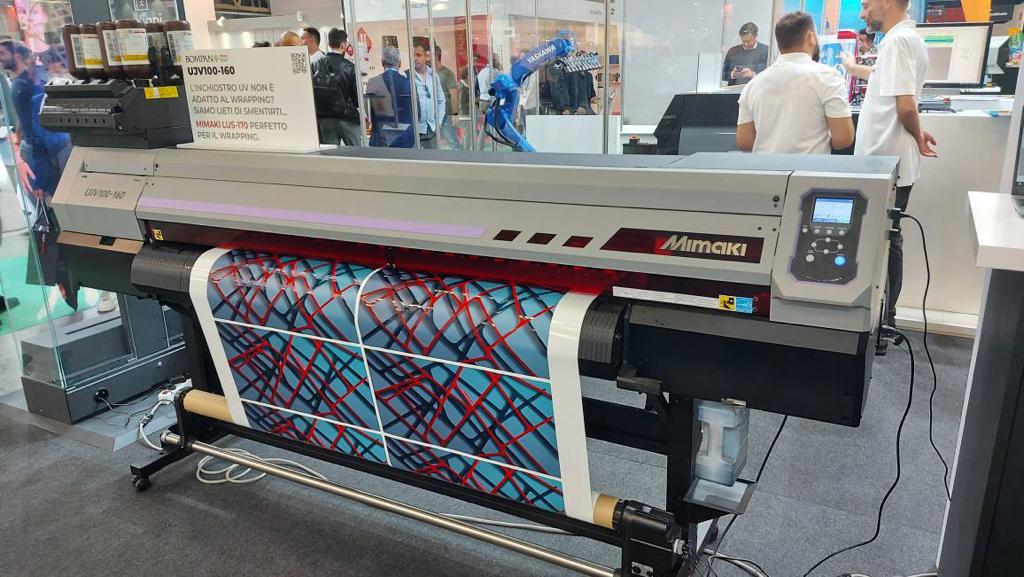
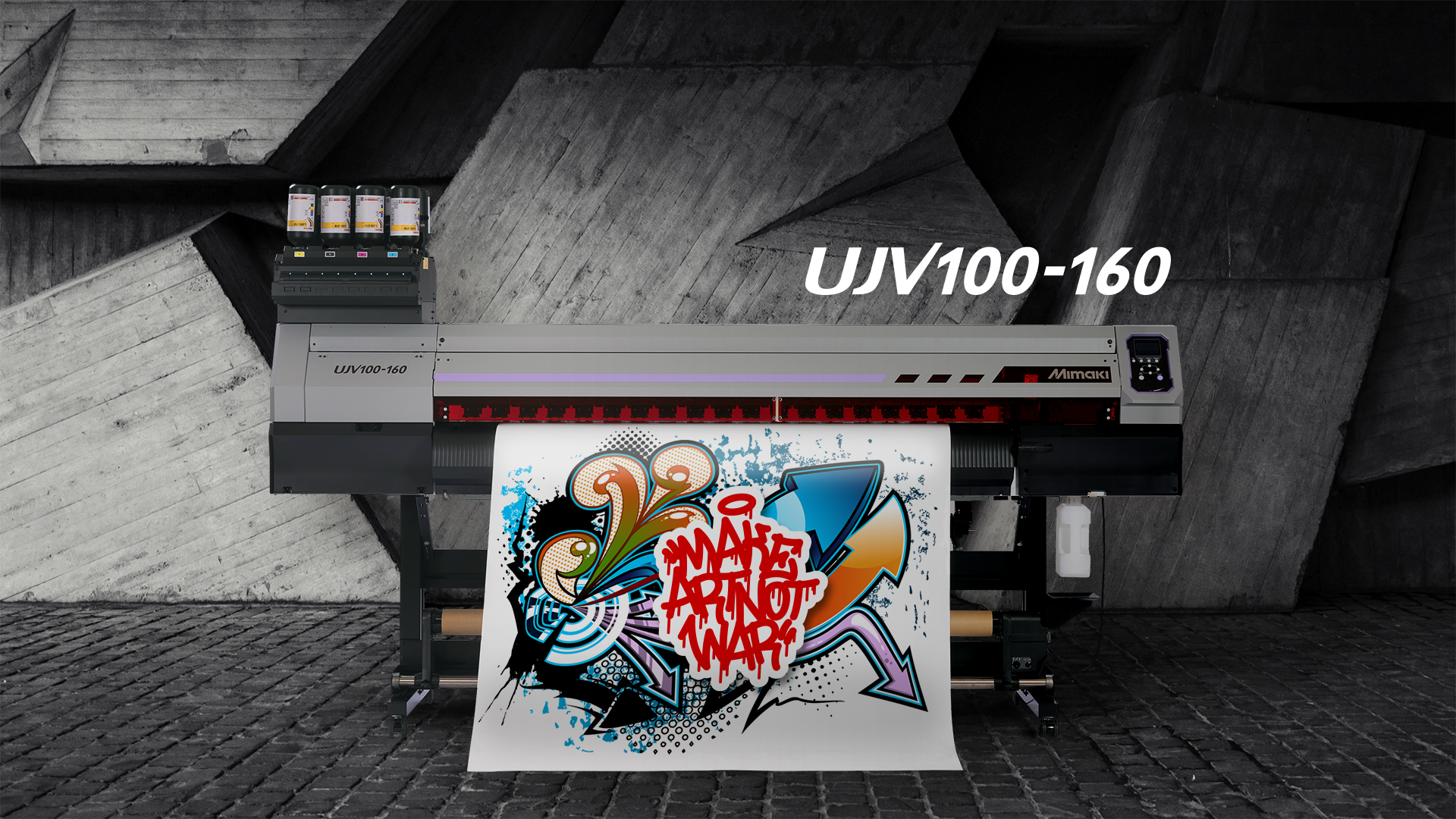
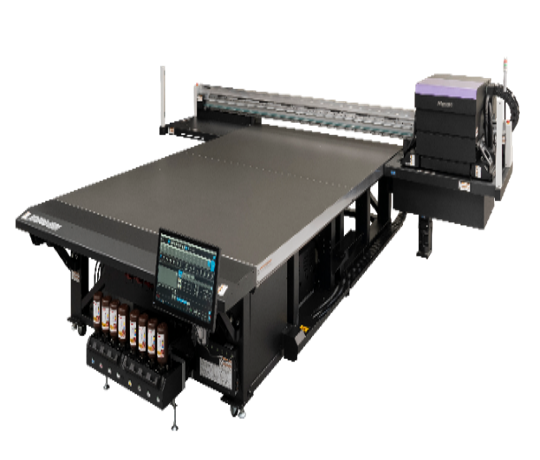
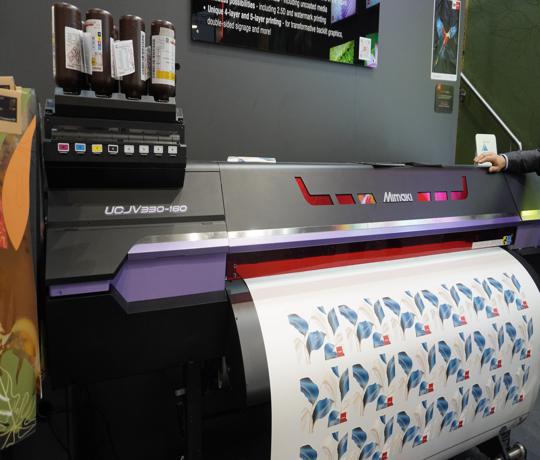
An effective design is one that can catch the eye of the passer-by. However, the design or message can be missed if the final print is not dynamic and striking enough to draw the attention of the intended audience. Nowadays, advanced printing methods allow users to achieve striking results, through special effects, such as glossy or matte surfaces and glitter effects. When combining print layers with special textures, the results get even more eye-catching. Multi-layered printing can take your designs to the next level, by printing coloured, white, black, and clear layers over the top of each other, it allows for more interesting textures and colours, allowing your signs to reach their full potential. Why UV? Efficiency is a key benefit of UV printing. UV LED ink is cured immediately, meaning there is no drying time, so your sign and decorations will be ready as soon as they are printed. By curing immediately, there is no need for a drying heater, which reduces energy consumption and makes it the more sustainable printing option. In addition to this, UV ink can be used on a wide range of materials such as cloth, paper without a receptive layer, and PET film, which are difficult to print on using traditional latex or solvent, making UV LED printing not only more sustainable and effective but also more versatile than traditional methods. Mimaki has been at the forefront of UV LED printing, with its latest UV printers, the UJV100-160Plus and the UCJV330-160, both excellent options when looking to multi-layer print. Based on the UJV100-160, the UJV100-160plus is the definitive entry-level model for sustainable sign and graphic printing with low running costs, versatile expression, and ease of printing for everyone. It has the basic functions of the conventional UJV100-160 with several additional features, most notably the pull-back printing function, which enables multi-layer printing up to three layers for a wide range of applications. The UCJV330-160, available from the beginning of 2024, implements many new features and innovations based on Mimaki's proprietary UV printing technology and feedback from customers and resellers. It offers multi-layered printing up to five layers and its new generation of high-precision print heads means it is capable of incredibly detailed prints and high print speeds. Single and two-layered printing Printing on a single layer is the fastest method of printing and can be used for general signage. On a single layer, the print layer construction can only be colour, white, or clear. Colours can still be vibrant and dynamic; however, this method is limited and will not make use of the full capabilities of Mimaki's UV printers. Adding a layer can level up your backlit or window sign. When printing with one layer for a backlit sign, the colours look too dark when the backlight is off, however, when printing on two layers, the quality of the print when the backlight is off is far better. It also allows an additional clear layer to be added, which can give the sign more texture and a glossy effect. For window signs, printing on just one layer will result in poor visibility due to the colour transparency, however with two-layer printing, having a white layer underneath will allow the colours to be more vivid, making the decoration more vibrant and brighter. Three Layered Printing While printing on two layers can bring out more vibrant colours for signs and decorations, it can be taken a step further with three-layer printing. Returning to backlit signs, while two-layer printing can keep the sign looking bright with the backlight switched off, some parts of the image are clipped white when it is on. Three-layer printing, which adds a white layer in between two coloured layers, can maintain the beauty of the image even when the backlight is off. Returning to window decoration, two-layer printing only gives great visibility from one side, with the back being all white. By having a colour layer under and on top of the white layer, window prints can be colourful and vibrant from both sides. The UJV100-160Plus pull-back feature allows for multi-layer printing regardless of the ink set. So, depending on the sign you are trying to create, you can either print white over colour, colour over white, or clear over colour. Alongside the pullback, another new feature of the UJV100-160Plus is the RasterLink7 software and its Tilt Compensation Function. Should the media be slightly skewed, the printer will be able to scan for any misalignments and will print the final layer per these misalignments. Guaranteeing quality printing even after the pullback. A feature the UCJV330-160 can offer on three layers is watermark printing, allowing for two types of image expression on a single sign. Images and symbols printed with clear ink can appear once the backlight is switched on due to the different densities of the white layer printed under the colour layer. This can give these images and symbols a stylish 'hidden' or 'invisible' effect that livens up your design. Four Layered Printing By adding a fourth layer, you add a layer of black ink as well as white, colour, or clear. This unlocks the eye-catching 'day and night effect', where the image can change appearance depending if the backlight is on or off. For example, you could display an image of a car, which once the light turns on can reveal the engine and the interior of the vehicle. Or, more literally, display a city or town during the day with the light on and at night with it off. It can be achieved by first printing a coloured layer, this is what will be displayed when the backlight is on, known as the 'floating colour layer'. Over this a black layer is printed, to hide the floating layer while the light is turned off. This is then followed by a white layer, which increases the density of the fourth and final layer, the coloured layer that will display when the backlight is off. While it may sound complicated, thanks to the four-layer printing capabilities of the UCJV330-160 and its RasterLink software, stunning day and night designs can be created easily. Five Layered Printing The primary objective of a sign is to display information, and standard signage can display a single message to a single audience at one time. However, what if you wanted to display different information, to different people, at the same time? For example, a café would want to display to passers-by that they are open or advertise their products to entice people in. However, once they entered, the café may want to inform them on the free Wi-Fi they have on offer. Five-layer printing allows the printing of two different images on the front and back of the same sheet. Printing colour, white, black, white, colour creates two high-quality images for the front and back. This is perfect for shop window stickers, as the side facing out can advertise the products, while the side facing in can display important information for customers. Summary Multi-layered printing is a great way to add some style and uniqueness to your signs and displays, with new possibilities at every layer. Mimaki's UJV100-160Plus and the UCJV330-160 are not only great options for multi-layered printing through their versatility and innovative Mimaki technology, but by using UV they are also the most sustainable options for your sign and display.
<< 26 of 52. >>
sidebar image
james Bond 50 50

Migrants Told: Stay in France or go back to your country

Lorem ipsum dolor sit amet, consectetur adipiscing elit. Nunc nisl risus, tristique diam id, blandit condimentum

READ MORE

DIARY


STAR products

  • Agfa Avinci CX3200

    Avinci CX3200 is 3.2 m wide dye sub textile printer capable of printing on polyester-based textiles What is it? Agfa’s Avinci CX3200 is a highly reliable and convenient soft signage printer that can print directly to fabrics and onto transfer paper. It uses an off-line calendar unit to ensure perfect fixation. Agfa’s dedicated dye sublimation roll-to-roll printer will enable you to create vibrant, high-quality prints on polyester-based fabrics up to 3.2 m wide, including a broad range of in- and outdoor soft signage applications, as well as interior decoration. The Avinci CX3200 boasts a rich color gamut and delivers deep black, perfect solids, accurate spot color mapping and smooth tonal rendering that is particularly noticeable in skin tones. The Avinci inks are characterised by their flexibility, image longevity and outdoor resistance. They offer stable jetting performance and deliver the same high-quality results, batch after batch. An off-line calender unit fixes the color deeply into the structure of the polyester-based fabrics while evaporating the carrier fluid. When was it launched at what are the target markets? It was launched on June 22, 2021, and aimed at soft signage industry, sports wear, fashion industry and home décor. Avinic CX3200 is a 3.2 m wide Dye Sub Textile printer capable of printing on polyester based textiles. Does it replace an earlier product? It replaces the earlier model of DX3200. The Avinci CX3200 is driven by Agfa’s Asanti wide-format workflow software. Color accuracy is provided by the easy-to-use color management. Using  their Calibrated Print Mode feature, new media can be calibrated and profiled in less than 15 minutes, after which the new profiles can be used to guarantee print quality. Asanti controls and automates the entire printing process from file intake to finishing, maximising productivity. Its comprehensive integration of file handling, color management and preflighting guarantees smooth and error-free jobs. The web-based Asanti Production Dashboard offers a view on your running production. It summarizes the jobs produced and reports on quantity printed, media usage, ink volumes enabling you to control your production and to manage your print shop optimally. What is the USP? It allows you to print directly on textiles and capable of print on transfer paper media as well. Single person media loading and low inks consumptions are another features. High productivity and a robust design for reliable printing at all times, vibrant prints and a wide color gamut; fine detail rendering; extensive applications scope; low ink consumption; convenient operations and a fast changeover between jobs are another features. Avinci produces good results with a minimum of jetted ink. This low ink consumption is based on Agfa’s renowned Thin Ink Layer technology: a smart combination of particular ink characteristics and our Asanti workflow software algorithms that tune the ink quantities perfectly to the required image quality mode. What training and support are available? Full in house training and support available from Agfa UAE and Belgium. Complete and integrated solution are available for printer, inks, workflow software, worldwide service and applications support. How productive is it? It prints at speed of 250 Sqm per hr on express mode. Being able to print directly to fabric is easy and ideal for fast handling and for special applications such as flags, where print-though is needed. Transfer paper allows for super sharp prints, eliminates any set-off, and limits media waste to a minimum. In addition, it extends the application scope to sportswear and fashion garments, as well as home décor prints on non-coated polyester fabrics. What does it cost? How is it sold? The recommended retail price (RRP) is approximately $220k stand alone printer and requires a separate calendaring unit. How many are in use? Currently, the latest CX3200 are around 11 units around the world. Specifications 3.2m Dye sublimation Printer Kyocera print heads 4 colour printer CYMK Direct to garment capable to print on transfer paper Max speed of 250 sqm Stand alone printer Resolution up to 600 x 1800 dpi Media types: Polyester-based fabrics, or transfer paper used to create banners, indoor wall graphics, shop decoration, outdoor advertising, light boxes, trade show displays, flags and high polyester-based blends “Agfa Avinci CX3200  was launched in June 2021.”

    Aug. 2, 2022

    Epson – SureColor SC V7000 Flatbed Printer

    Epson's first UV large format printer offers exceptional image quality, Shihab Zubair What is it? The SureColor SC-V7000 is Epson's first UV large format printer, offering exceptional image quality. The V7000 is ideal for printing eye-catching retail and outdoor signage, window displays, hoarding panels, packaging, promotional goods, and décor products. It includes Epson’s Micro Piezo printhead with ten newly developed original inks, for accurate colour reproduction for spot and corporate colours. It allows businesses the flexibility to print on a range of media up to 80mm thick including acrylics, polycarbonates, PVC, glass, aluminium, metal, polyester, foam board, styrene, wood and stone. The printhead layout enables simultaneous high-speed printing and, with the 4-zone vacuum system, it offers real flexibility for production environments. When was it launched at what are the target markets? The Epson SureColor SC-V7000 was launched in April 2021 within the Middle East region, building on the success of Epson’s award-winning range of SureColor S Series signage printers. The V7000 allows sign and display makers to expand their portfolio of products, to deliver high quality, fast and reliable results on a variety of different media. Does it replace an earlier product? The SureColor SC-V7000 proudly marks Epson’s entry into the UV flatbed signage print market. As Epson’s first UV large format printer, it provides unique features to differentiate and enhance our offering to the signage market. Every feature of the Epson SureColor SC-V7000 has been designed with the customer in mind. This is a robust and affordable UV LED flatbed signage printer capable of fast and quality printing on a wide range of media – any type of surface, despite the size, thickness, or weight. This is in addition to Epson’s successful product solutions such as the Epson SureColor SC Series of eco-solvent and resin ink printers. For instance, for environmentally friendly organisations, Epson’s SureColor SC-R5010 Series has the capacity to include a resin ink solution, offering print service providers and creative design agencies the ability to produce a wide range of signage in a more sustainable way, without compromising on the results. For a larger ink capacity, Epson offers the SureColor SC-R5010L. What is the USP? The Epson SureColor SC-V7000 provides exceptional image quality, productivity, usability, and safety. With the unique Epson Micro Piezo printhead, the printer has ten newly developed original inks and 3-layer high-speed printing. It helps print with ease and safety with automatic measurement of media thickness, a multi-zone vacuum, and a printhead crash prevent function, Epson Edge Print, proximity sensors. What training and support is available? Epson manufactures all the components for the SureColor SC-V7000, including printheads, inks and software, in order to reach the consistent quality levels that our customers expect. The Epson Cloud Solution PORT is a cloud-based system from where you will be able to monitor equipment across several sites, or several printers across one site, from the production floor or remotely, and assist the control of production. This enables efficient production planning, increased uptime and enhanced support. Epson Production Monitor is part of the Epson Cloud Solution PORT suite of apps and allows you to examine the production status in real-time. If an issue occurs, it can be corrected efficiently with minimal disruption to the print run. How productive is it? The SureColor SC-V7000 enables businesses to print at high speed with a maximum print area of 2.5 metres by 1.25 metres. The printhead layout enables simultaneous high-speed printing, with white ink and varnish, without losing productivity. What does it cost? How is it sold? The recommended retail price (RRP) is around AED 330,563 (US $90,000) and it is sold through authorised partners in the Middle East. How many are in use? Currently two printers have been installed in the UAE, and we are scheduled to install a few more in December and further into 2022. Specifications UltraChrome UV 10-colour inkset Printing resolution of 720 x 1,440 DPI Outstanding print quality High-speed simultaneous printing even when using white, colour and varnish Printheads, ink, firmware and software with an ink tank capacity of 1,000 ml  Price from AED 330,563 “Epson SureColor SC-V7000 was launched in April 2021.”

    Aug. 2, 2022
    • 1 of 4 >>
Top