Flashing News

Image

ERP software for printing industry: Key benefits explained

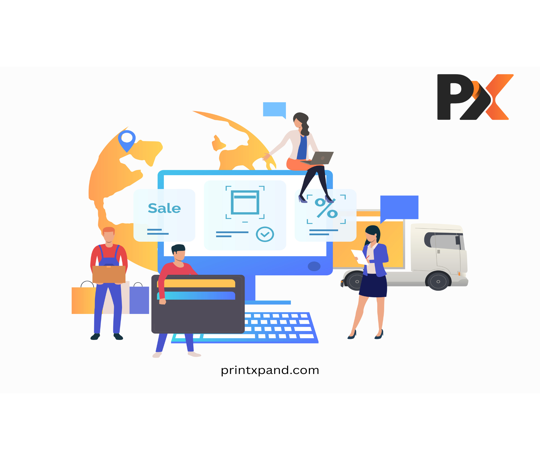
Written by Pratik Shah, Creative Head - PrintXpand The printing industry work environment is very dynamic with accuracy, speed and control of cost playing major roles. The use of manual control over various print jobs, materials, machines and delivery schedules is prone to inefficiencies and errors. This is where the ERP for printing industry comes as a necessity and not fancy. Enterprise Resource Planning systems designed specifically for print businesses help centralize operations, improve visibility, and streamline workflows. From job estimation and production scheduling to inventory control and invoicing, ERP software plays a vital role in transforming how print companies operate. In this blog, we explore the key benefits of ERP software for printing industry and explain why it is becoming a core requirement for modern print businesses. Understanding ERP for Printing Industry ERP for printing industry is the centralized software platform that brings all the main business functions of a printing company to one platform. As opposed to generic ERP systems, print focused ERP solutions are designed to support industry unique issues like variable job specification, quick turnaround, and sophisticated costing designs. These systems often work alongside or integrate with print MIS software and web to print MIS platforms to create a seamless flow of data from order placement to final delivery. ERP systems bring together various departments within an organization such as sales, production, inventory, and finance hence providing consistency and transparency in operations. Common Challenges Faced by Print Businesses It is prudent to know the difficulties that print businesses encounter on a daily basis before learning the advantages of ERP software. Most printing companies are using spreadsheets or disjointed software to track orders and production. This causes poor job costing, wastage of materials, late deliveries as well as the absence of real time visibility. Manual scheduling can lead to machine downtimes or production bottlenecks. Any type of inventory mismanagement may result in excess stock or even a sudden out-of-stock of key materials. There is also the increased expectation of customers. Customers are pressuring them to deliver faster services, correct manufacturing costs and quality services. The inability to have a centralized system makes it harder and harder to live up to these expectations. This is where mis software for printing industry integrated with ERP brings significant value. Key Benefits of ERP Software for Printing Industry Streamlined Production Planning and Scheduling Enhanced production planning can be given as one of the most critical advantages of ERP for printing industry. The ERP systems enable print companies to schedule jobs according to the availability of machines, capacity of the workforce, and delivery dates. ERP minimizes the wastage of time through automation of job sequencing and production schedules to maximize utilization of resources. Managers will be able to monitor the progress of the jobs real-time and make immediate changes when priorities are shifted. Such control assists print firms to print in time. Accurate Job Costing and Quotation Management Proper costing is a significant issue in the printing business because of the changes in the prices of materials and the different specifications of the jobs. ERP software for printing industry enables real time job costing by factoring in materials, labor, machine time, and overheads. Using precise costing information, the sales teams are able to make accurate quotations within a short duration. This minimizes the chances of quoting the jobs at a lower cost or losing business on offers that take too long to respond to. Integrated print MIS software ensures that cost estimates align with actual production data, improving profitability. Improved Inventory and Material Management ERP systems give full access to the inventory stored in warehouses and production floors. Print businesses are able to monitor the raw materials e.g. paper, ink and plates in real time. Stockouts can be prevented by automation of reorder alerts and waste can be minimized by proper monitoring of consumption. This becomes particularly useful when the quantity of print jobs, or even custom jobs is high. By integrating ERP with mis software for the printing industry, companies gain tighter control over material usage and inventory costs. Enhanced Workflow Automation and Job Tracking ERP software automates some of the repetitive jobs like creating jobs, approving workflow and updating the status. This minimizes the number of errors in manual processes and enhances efficiency in operations. All departments operate on the same data which leads to improved coordination of the sales, production, and dispatch teams. Job tracking can be done in real time and is better at enhancing accountability and detecting early delays. When combined with web to print MIS, ERP creates a smooth flow from online order placement to production and delivery. Better Order Management and Delivery Accuracy Order management is a critical area where ERP software for printing industry delivers significant value. ERP systems trace all the order stages all the way through order entry and up to final dispatch. This guarantees good order filling and prompt deliveries. The customers are constantly informed about the status of the orders, and this enhances transparency and confidence. Better customer relationships are also achieved because it results in increased accuracy on delivery and reduction of reprints and customer complaints. Real Time Visibility and Reporting ERP systems have centralized dashboards and reports which make the management have a clear picture of the business performance. Real time availability of metrics like job profitability, production efficiency, material consumption and delivery timelines are available. This information based understanding assists decision makers to detect inefficiencies, manage expenses and strategize how money will be invested in the future. These insights can enable print businesses to scale operations in a strategic manner and react fast to market changes. Quality Control and Process Consistency It is paramount that the quality is kept with the printing industry. ERP software assists in the management of quality control through standardization of the workflow and keeping production records. The system may have quality checkpoints that would guarantee adherence to the internal standards and customer demands. Past job information assists in correcting the common problems and enhancing processes in the long run. This leads to the reduction of reworks and customer satisfaction. Improved Customer Satisfaction and Retention The customers are direct beneficiaries when print business runs smoothly. The improved turnaround time, correct pricing and guaranteed delivery times improve the overall customer experience. ERP system enhances interdepartmental communication which makes sure that the requirements of the customer are well understood and implemented. In the long-term this reliability creates long term relationships with customers as well as augmenting repeat business. Conclusion ERP for printing industry is now an important tool that businesses seek to implement in an attempt to enhance efficiency, cut costs and remain competitive. ERP software, by consolidating production planning, inventory management, job costing, and reporting, enhances the print operations, which previously were fragmented into different processes, into flowing operations. When combined with web to print MIS and print MIS software, ERP systems create a powerful digital foundation for growth and scalability. The ERP solution will be of great help to print businesses intending to modernise operations and provide customers with steady value. PrintXpand can assist digital transformation of the printing industry by providing expertise in companies that aim to acquire advanced print technology solutions and integrate these systems with each other.
1 of 52. >>
Image

ERP software for printing industry: Key benefits explained

Written by Pratik Shah, Creative Head - PrintXpand The printing industry work environment is very dynamic with accuracy, speed and control of cost playing major roles. The use of manual control over various print jobs, materials, machines and delivery schedules is prone to inefficiencies and errors. This is where the ERP for printing industry comes as a necessity and not fancy. Enterprise Resource Planning systems designed specifically for print businesses help centralize operations, improve visibility, and streamline workflows. From job estimation and production scheduling to inventory control and invoicing, ERP software plays a vital role in transforming how print companies operate. In this blog, we explore the key benefits of ERP software for printing industry and explain why it is becoming a core requirement for modern print businesses. Understanding ERP for Printing Industry ERP for printing industry is the centralized software platform that brings all the main business functions of a printing company to one platform. As opposed to generic ERP systems, print focused ERP solutions are designed to support industry unique issues like variable job specification, quick turnaround, and sophisticated costing designs. These systems often work alongside or integrate with print MIS software and web to print MIS platforms to create a seamless flow of data from order placement to final delivery. ERP systems bring together various departments within an organization such as sales, production, inventory, and finance hence providing consistency and transparency in operations. Common Challenges Faced by Print Businesses It is prudent to know the difficulties that print businesses encounter on a daily basis before learning the advantages of ERP software. Most printing companies are using spreadsheets or disjointed software to track orders and production. This causes poor job costing, wastage of materials, late deliveries as well as the absence of real time visibility. Manual scheduling can lead to machine downtimes or production bottlenecks. Any type of inventory mismanagement may result in excess stock or even a sudden out-of-stock of key materials. There is also the increased expectation of customers. Customers are pressuring them to deliver faster services, correct manufacturing costs and quality services. The inability to have a centralized system makes it harder and harder to live up to these expectations. This is where mis software for printing industry integrated with ERP brings significant value. Key Benefits of ERP Software for Printing Industry Streamlined Production Planning and Scheduling Enhanced production planning can be given as one of the most critical advantages of ERP for printing industry. The ERP systems enable print companies to schedule jobs according to the availability of machines, capacity of the workforce, and delivery dates. ERP minimizes the wastage of time through automation of job sequencing and production schedules to maximize utilization of resources. Managers will be able to monitor the progress of the jobs real-time and make immediate changes when priorities are shifted. Such control assists print firms to print in time. Accurate Job Costing and Quotation Management Proper costing is a significant issue in the printing business because of the changes in the prices of materials and the different specifications of the jobs. ERP software for printing industry enables real time job costing by factoring in materials, labor, machine time, and overheads. Using precise costing information, the sales teams are able to make accurate quotations within a short duration. This minimizes the chances of quoting the jobs at a lower cost or losing business on offers that take too long to respond to. Integrated print MIS software ensures that cost estimates align with actual production data, improving profitability. Improved Inventory and Material Management ERP systems give full access to the inventory stored in warehouses and production floors. Print businesses are able to monitor the raw materials e.g. paper, ink and plates in real time. Stockouts can be prevented by automation of reorder alerts and waste can be minimized by proper monitoring of consumption. This becomes particularly useful when the quantity of print jobs, or even custom jobs is high. By integrating ERP with mis software for the printing industry, companies gain tighter control over material usage and inventory costs. Enhanced Workflow Automation and Job Tracking ERP software automates some of the repetitive jobs like creating jobs, approving workflow and updating the status. This minimizes the number of errors in manual processes and enhances efficiency in operations. All departments operate on the same data which leads to improved coordination of the sales, production, and dispatch teams. Job tracking can be done in real time and is better at enhancing accountability and detecting early delays. When combined with web to print MIS, ERP creates a smooth flow from online order placement to production and delivery. Better Order Management and Delivery Accuracy Order management is a critical area where ERP software for printing industry delivers significant value. ERP systems trace all the order stages all the way through order entry and up to final dispatch. This guarantees good order filling and prompt deliveries. The customers are constantly informed about the status of the orders, and this enhances transparency and confidence. Better customer relationships are also achieved because it results in increased accuracy on delivery and reduction of reprints and customer complaints. Real Time Visibility and Reporting ERP systems have centralized dashboards and reports which make the management have a clear picture of the business performance. Real time availability of metrics like job profitability, production efficiency, material consumption and delivery timelines are available. This information based understanding assists decision makers to detect inefficiencies, manage expenses and strategize how money will be invested in the future. These insights can enable print businesses to scale operations in a strategic manner and react fast to market changes. Quality Control and Process Consistency It is paramount that the quality is kept with the printing industry. ERP software assists in the management of quality control through standardization of the workflow and keeping production records. The system may have quality checkpoints that would guarantee adherence to the internal standards and customer demands. Past job information assists in correcting the common problems and enhancing processes in the long run. This leads to the reduction of reworks and customer satisfaction. Improved Customer Satisfaction and Retention The customers are direct beneficiaries when print business runs smoothly. The improved turnaround time, correct pricing and guaranteed delivery times improve the overall customer experience. ERP system enhances interdepartmental communication which makes sure that the requirements of the customer are well understood and implemented. In the long-term this reliability creates long term relationships with customers as well as augmenting repeat business. Conclusion ERP for printing industry is now an important tool that businesses seek to implement in an attempt to enhance efficiency, cut costs and remain competitive. ERP software, by consolidating production planning, inventory management, job costing, and reporting, enhances the print operations, which previously were fragmented into different processes, into flowing operations. When combined with web to print MIS and print MIS software, ERP systems create a powerful digital foundation for growth and scalability. The ERP solution will be of great help to print businesses intending to modernise operations and provide customers with steady value. PrintXpand can assist digital transformation of the printing industry by providing expertise in companies that aim to acquire advanced print technology solutions and integrate these systems with each other.
1 of 52. >>
sidebar image
Editor

ERP software for printing industry: Key benefits explained

Written by Pratik Shah, Creative Head - PrintXpand The printing industry work environment is very dynamic with accuracy, speed and control of cost playing major roles. The use of manual control over various print jobs, materials, machines and delivery schedules is prone to inefficiencies and errors. This is where the ERP for printing industry comes as a necessity and not fancy. Enterprise Resource Planning systems designed specifically for print businesses help centralize operations, improve visibility, and streamline workflows. From job estimation and production scheduling to inventory control and invoicing, ERP software plays a vital role in transforming how print companies operate. In this blog, we explore the key benefits of ERP software for printing industry and explain why it is becoming a core requirement for modern print businesses. Understanding ERP for Printing Industry ERP for printing industry is the centralized software platform that brings all the main business functions of a printing company to one platform. As opposed to generic ERP systems, print focused ERP solutions are designed to support industry unique issues like variable job specification, quick turnaround, and sophisticated costing designs. These systems often work alongside or integrate with print MIS software and web to print MIS platforms to create a seamless flow of data from order placement to final delivery. ERP systems bring together various departments within an organization such as sales, production, inventory, and finance hence providing consistency and transparency in operations. Common Challenges Faced by Print Businesses It is prudent to know the difficulties that print businesses encounter on a daily basis before learning the advantages of ERP software. Most printing companies are using spreadsheets or disjointed software to track orders and production. This causes poor job costing, wastage of materials, late deliveries as well as the absence of real time visibility. Manual scheduling can lead to machine downtimes or production bottlenecks. Any type of inventory mismanagement may result in excess stock or even a sudden out-of-stock of key materials. There is also the increased expectation of customers. Customers are pressuring them to deliver faster services, correct manufacturing costs and quality services. The inability to have a centralized system makes it harder and harder to live up to these expectations. This is where mis software for printing industry integrated with ERP brings significant value. Key Benefits of ERP Software for Printing Industry Streamlined Production Planning and Scheduling Enhanced production planning can be given as one of the most critical advantages of ERP for printing industry. The ERP systems enable print companies to schedule jobs according to the availability of machines, capacity of the workforce, and delivery dates. ERP minimizes the wastage of time through automation of job sequencing and production schedules to maximize utilization of resources. Managers will be able to monitor the progress of the jobs real-time and make immediate changes when priorities are shifted. Such control assists print firms to print in time. Accurate Job Costing and Quotation Management Proper costing is a significant issue in the printing business because of the changes in the prices of materials and the different specifications of the jobs. ERP software for printing industry enables real time job costing by factoring in materials, labor, machine time, and overheads. Using precise costing information, the sales teams are able to make accurate quotations within a short duration. This minimizes the chances of quoting the jobs at a lower cost or losing business on offers that take too long to respond to. Integrated print MIS software ensures that cost estimates align with actual production data, improving profitability. Improved Inventory and Material Management ERP systems give full access to the inventory stored in warehouses and production floors. Print businesses are able to monitor the raw materials e.g. paper, ink and plates in real time. Stockouts can be prevented by automation of reorder alerts and waste can be minimized by proper monitoring of consumption. This becomes particularly useful when the quantity of print jobs, or even custom jobs is high. By integrating ERP with mis software for the printing industry, companies gain tighter control over material usage and inventory costs. Enhanced Workflow Automation and Job Tracking ERP software automates some of the repetitive jobs like creating jobs, approving workflow and updating the status. This minimizes the number of errors in manual processes and enhances efficiency in operations. All departments operate on the same data which leads to improved coordination of the sales, production, and dispatch teams. Job tracking can be done in real time and is better at enhancing accountability and detecting early delays. When combined with web to print MIS, ERP creates a smooth flow from online order placement to production and delivery. Better Order Management and Delivery Accuracy Order management is a critical area where ERP software for printing industry delivers significant value. ERP systems trace all the order stages all the way through order entry and up to final dispatch. This guarantees good order filling and prompt deliveries. The customers are constantly informed about the status of the orders, and this enhances transparency and confidence. Better customer relationships are also achieved because it results in increased accuracy on delivery and reduction of reprints and customer complaints. Real Time Visibility and Reporting ERP systems have centralized dashboards and reports which make the management have a clear picture of the business performance. Real time availability of metrics like job profitability, production efficiency, material consumption and delivery timelines are available. This information based understanding assists decision makers to detect inefficiencies, manage expenses and strategize how money will be invested in the future. These insights can enable print businesses to scale operations in a strategic manner and react fast to market changes. Quality Control and Process Consistency It is paramount that the quality is kept with the printing industry. ERP software assists in the management of quality control through standardization of the workflow and keeping production records. The system may have quality checkpoints that would guarantee adherence to the internal standards and customer demands. Past job information assists in correcting the common problems and enhancing processes in the long run. This leads to the reduction of reworks and customer satisfaction. Improved Customer Satisfaction and Retention The customers are direct beneficiaries when print business runs smoothly. The improved turnaround time, correct pricing and guaranteed delivery times improve the overall customer experience. ERP system enhances interdepartmental communication which makes sure that the requirements of the customer are well understood and implemented. In the long-term this reliability creates long term relationships with customers as well as augmenting repeat business. Conclusion ERP for printing industry is now an important tool that businesses seek to implement in an attempt to enhance efficiency, cut costs and remain competitive. ERP software, by consolidating production planning, inventory management, job costing, and reporting, enhances the print operations, which previously were fragmented into different processes, into flowing operations. When combined with web to print MIS and print MIS software, ERP systems create a powerful digital foundation for growth and scalability. The ERP solution will be of great help to print businesses intending to modernise operations and provide customers with steady value. PrintXpand can assist digital transformation of the printing industry by providing expertise in companies that aim to acquire advanced print technology solutions and integrate these systems with each other.
Read More
1 of 52 >>
Image

ERP software for printing industry: Key benefits explained

Written by Pratik Shah, Creative Head - PrintXpand The printing industry work environment is very dynamic with accuracy, speed and control of cost playing major roles. The use of manual control over various print jobs, materials, machines and delivery schedules is prone to inefficiencies and errors. This is where the ERP for printing industry comes as a necessity and not fancy. Enterprise Resource Planning systems designed specifically for print businesses help centralize operations, improve visibility, and streamline workflows. From job estimation and production scheduling to inventory control and invoicing, ERP software plays a vital role in transforming how print companies operate. In this blog, we explore the key benefits of ERP software for printing industry and explain why it is becoming a core requirement for modern print businesses. Understanding ERP for Printing Industry ERP for printing industry is the centralized software platform that brings all the main business functions of a printing company to one platform. As opposed to generic ERP systems, print focused ERP solutions are designed to support industry unique issues like variable job specification, quick turnaround, and sophisticated costing designs. These systems often work alongside or integrate with print MIS software and web to print MIS platforms to create a seamless flow of data from order placement to final delivery. ERP systems bring together various departments within an organization such as sales, production, inventory, and finance hence providing consistency and transparency in operations. Common Challenges Faced by Print Businesses It is prudent to know the difficulties that print businesses encounter on a daily basis before learning the advantages of ERP software. Most printing companies are using spreadsheets or disjointed software to track orders and production. This causes poor job costing, wastage of materials, late deliveries as well as the absence of real time visibility. Manual scheduling can lead to machine downtimes or production bottlenecks. Any type of inventory mismanagement may result in excess stock or even a sudden out-of-stock of key materials. There is also the increased expectation of customers. Customers are pressuring them to deliver faster services, correct manufacturing costs and quality services. The inability to have a centralized system makes it harder and harder to live up to these expectations. This is where mis software for printing industry integrated with ERP brings significant value. Key Benefits of ERP Software for Printing Industry Streamlined Production Planning and Scheduling Enhanced production planning can be given as one of the most critical advantages of ERP for printing industry. The ERP systems enable print companies to schedule jobs according to the availability of machines, capacity of the workforce, and delivery dates. ERP minimizes the wastage of time through automation of job sequencing and production schedules to maximize utilization of resources. Managers will be able to monitor the progress of the jobs real-time and make immediate changes when priorities are shifted. Such control assists print firms to print in time. Accurate Job Costing and Quotation Management Proper costing is a significant issue in the printing business because of the changes in the prices of materials and the different specifications of the jobs. ERP software for printing industry enables real time job costing by factoring in materials, labor, machine time, and overheads. Using precise costing information, the sales teams are able to make accurate quotations within a short duration. This minimizes the chances of quoting the jobs at a lower cost or losing business on offers that take too long to respond to. Integrated print MIS software ensures that cost estimates align with actual production data, improving profitability. Improved Inventory and Material Management ERP systems give full access to the inventory stored in warehouses and production floors. Print businesses are able to monitor the raw materials e.g. paper, ink and plates in real time. Stockouts can be prevented by automation of reorder alerts and waste can be minimized by proper monitoring of consumption. This becomes particularly useful when the quantity of print jobs, or even custom jobs is high. By integrating ERP with mis software for the printing industry, companies gain tighter control over material usage and inventory costs. Enhanced Workflow Automation and Job Tracking ERP software automates some of the repetitive jobs like creating jobs, approving workflow and updating the status. This minimizes the number of errors in manual processes and enhances efficiency in operations. All departments operate on the same data which leads to improved coordination of the sales, production, and dispatch teams. Job tracking can be done in real time and is better at enhancing accountability and detecting early delays. When combined with web to print MIS, ERP creates a smooth flow from online order placement to production and delivery. Better Order Management and Delivery Accuracy Order management is a critical area where ERP software for printing industry delivers significant value. ERP systems trace all the order stages all the way through order entry and up to final dispatch. This guarantees good order filling and prompt deliveries. The customers are constantly informed about the status of the orders, and this enhances transparency and confidence. Better customer relationships are also achieved because it results in increased accuracy on delivery and reduction of reprints and customer complaints. Real Time Visibility and Reporting ERP systems have centralized dashboards and reports which make the management have a clear picture of the business performance. Real time availability of metrics like job profitability, production efficiency, material consumption and delivery timelines are available. This information based understanding assists decision makers to detect inefficiencies, manage expenses and strategize how money will be invested in the future. These insights can enable print businesses to scale operations in a strategic manner and react fast to market changes. Quality Control and Process Consistency It is paramount that the quality is kept with the printing industry. ERP software assists in the management of quality control through standardization of the workflow and keeping production records. The system may have quality checkpoints that would guarantee adherence to the internal standards and customer demands. Past job information assists in correcting the common problems and enhancing processes in the long run. This leads to the reduction of reworks and customer satisfaction. Improved Customer Satisfaction and Retention The customers are direct beneficiaries when print business runs smoothly. The improved turnaround time, correct pricing and guaranteed delivery times improve the overall customer experience. ERP system enhances interdepartmental communication which makes sure that the requirements of the customer are well understood and implemented. In the long-term this reliability creates long term relationships with customers as well as augmenting repeat business. Conclusion ERP for printing industry is now an important tool that businesses seek to implement in an attempt to enhance efficiency, cut costs and remain competitive. ERP software, by consolidating production planning, inventory management, job costing, and reporting, enhances the print operations, which previously were fragmented into different processes, into flowing operations. When combined with web to print MIS and print MIS software, ERP systems create a powerful digital foundation for growth and scalability. The ERP solution will be of great help to print businesses intending to modernise operations and provide customers with steady value. PrintXpand can assist digital transformation of the printing industry by providing expertise in companies that aim to acquire advanced print technology solutions and integrate these systems with each other.
1 of 52. >>
sidebar image
james Bond 50 50

Migrants Told: Stay in France or go back to your country

Lorem ipsum dolor sit amet, consectetur adipiscing elit. Nunc nisl risus, tristique diam id, blandit condimentum

READ MORE

DIARY


STAR products

  • A QuickEasy BOS Professional Print ERP Software

    What is BOS Print ERP capable of? As globalization puts pressure on the market for many industries, and the economy struggles to stand under the weight of a global pandemic, it is essential to identify every tool that could give your business a competitive edge. For many companies, enterprise resource planning (ERP), or as some companies call it, BOS (business operating system), is that tool, and is the secret weapon that keeps them going when others fail. ERP, or BOS as we’ll call it, wraps customer relations management, human resources management, accounting, stock control, management information systems, and supply chain functionality together into one system. Removing the need for spreadsheets, patchwork systems, or outdated processes, BOS systems improve business performance and communications, streamline complex operations, and simplify the way businesses do things. They utilize a centralized and integrated system to manage every moving part of a business. Business owners use BOS to get instant, effortless clarity on everything that is happening in the business, which makes for a more peaceful sleep at night, and fewer nasty surprises. It is also used for effective decision-making, be it to manage their staff, understand their customers, forecast stock levels, manage accounts, and oversee the business in general. Ideally, BOS systems should be flexible, scalable and able to adapt to the business, rather than the other way around, but not all BOS systems are designed with the end user in mind. QuickEasy BOS Professional handles all the manual, time-consuming front office and back-office tasks with ease. Streamlining operations and improving efficiencies, BOS Professional does the following: Accurate, fast estimates (Offset, digital, large format, flexo and silkscreen) Full-house CRM (leads, sales, customers, follow ups) Procurement management Inventory management Production planning Time and job tracking Full-feature accounting Live dashboards Instant reports There are several business-critical reasons why BOS is more than a ‘nice-to-have’ but is rather an essential facet of business survival. The current economic climate and the far-reaching effects of Covid-19 mean business owners need to bring resources around them that allow them to work smarter and act leaner to survive. When was it launched and what market is it aimed at? Established in 1998, QuickEasy BOS is focused on developing and supporting a cost-effective, easy-to-use Business Operating System that provides all the functionality you would expect from big brand ERP’s, to run SMEs efficiently. Created out of a need to streamline operations in the print and packaging industries, BOS has been doing just that for over 20 years. The software has since expanded to not only provide solutions for print, but for other industries as well. How does it work? BOS Professional is a modern Print ERP (enterprise resource planning) system. BOS is a centralized platform that stores an entire business’s data in one place. That means your business has a single source of truth, with no version errors, no duplicate data, no redundant information - saving time, reducing risk, and optimizing productivity. The application can be deployed on a local server or in the cloud, depending on what the business needs. Users are given secure logins with access based on roles, ensuring sensitive business information is only seen by the right people. The system does all the heavy lifting for the business when it comes to admin, calculations, and automation of mundane tasks. It is quick to roll out and more affordable and cost effective than big-brand ERP systems, while offering considerable value in the fully inclusive modules. Overview of ERP Enterprise Resource Planning (ERP) software is business software that gives business owners or senior management information and control into all aspects of the running and operations of that business. What is ERP software good for? Integrates ‘silo’ business functions into one system Automates a lot of admin back-office functionality Allows business owners to allocate resources more efficiently Gives powerful reporting insight into a business, from sales, production, and staff productivity to profit and overall business growth Improves efficiency at every point Improves profitability by giving you insight into spoilage and waste Combats ‘patchwork’ growth of ad-hoc software additions Gives senior management more clarity and control Makes your customers happier due to integrated CRM, sales and service functionality How does it differ from earlier models ? The latest version of BOS Professional comes with highly optimized CRM (customer relationship management) functionality. This ensures you don’t need to integrate 3rd party applications to the system, as BOS Professional does it all in one platform. How productive is it ? BOS Professional automates much of the time-consuming admin that goes along with running a competitive business. This frees up personnel to do more productive, profit-related tasks, improving productivity and efficacy across the board. 1. You can work from home, efficiently Many organizations have been forced out of their offices and into their homes during lockdown. However, where production and manufacturing may be halted, office and admin functions should be able to carry out their roles without interruption, what with internet-enabled platforms available to most. Access to BOS through the cloud allows for ‘business as usual’ to continue. Each employee has full access to their own particular area of business, and each transaction immediately updates the database. This means real-time access to the latest version of data, in one resource. Estimating, sales, scheduling, accounting, marketing, and HR can work from home, and keep the business operational. Additionally, remote working can remain a viable option for employees, in line with emerging trends on what employees’ value in an employer, such as flexible hours and more autonomy. BOS tracks and manages productivity, facilitates interdepartmental communication, and mitigates the perceived risks of working from home. 2. Facilitates leaner, smaller teams BOS and automation allow you to keep smaller, more agile teams. Small teams are easier to manage, more affordable, and more agile than larger teams. This is possible because BOS handles the mundane, repetitive admin tasks, and thus frees up employees to focus on revenue-generating tasks. No more need for admin-heavy teams as BOS does all the admin heavy-lifting for you. 3. Saves you money, which is good for the bottom line Reducing overhead and salary costs, pricing products and services accurately, optimizing production, and minimizing waste all make for a leaner, smarter, more profitable business. BOS gives clarity into all of these areas and empowers business decision-makers with accurate information on the best ways to remove bottlenecks, improve productivity, and allocate resources and finances more efficiently. BOS systems also allow time-consuming, vital roles, such as estimators, to do their work faster and more accurately. This also makes way for less expensive staff resources to be upskilled to use the BOS system to create estimates, instead of hiring a heavy-weight, expensive estimator. Accounting and bookkeeping is another niched role that can now be automated by BOS, with accounting reports updated in real-time, and a simple click or two away, thus significantly reducing the need for a full time accountant. 4. Local is better Aside from support that is available when you are awake and understands local business needs, now more than ever the benefits of a local BOS supplier have become a matter of business life or death. With rapid, overwhelming fluctuations in the foreign exchange rate, companies who use internationally manufactured ERPs may have had to deal with a 30% increase on their BOS expenses lately. For a multi-user company that pays subscriptions in dollars, this could be a crippling blow. Locally installed, trained and supported BOS is still the best option when considering a BOS supplier. The product, the support, and the price all weigh heavily in favor of local businesses with local BOS, without compromising on functionality or reliability. What is the USP of the product? BOS Professional handles volumes of data with ease, automates repetitive tasks, and improves efficiency across the board. Smart estimating that adapts to your industry and is purpose-built for print and packaging businesses. Quick to install, easy to learn, BOS Professional comes with predefined processes and models that ensure a quick, affordable solution and setup compared to similar ERP systems. It is purpose-built to streamline operations for print and packaging companies. Each module is designed to ease an operational burden, improving efficiencies, and ensuring you don’t pay for what you don’t need. How easy is it to use? Intuitive and user-friendly. We have designed BOS around user-friendliness and UX. BOS provides user-based fields and customizable home screens, fast and easy access to data from anywhere in the system, graphical workflow tools and dashboards, with an interface that makes BOS quick and easy. Features galore. BOS comes fully stocked with modules, functionalities, and features to control and manage your whole business, from the cashier and finance to the shop floor and warehouse, if you have one or many offices and warehouses, and trade in local or international currencies. Empowering the user. Today’s evolving economic landscape requires business software to evolve to keep up with the rapid rate of development due to scalability, new functionality, and integration to new applications. To meet these unique demands, BOS empowers users to work independently, be it at home, or in a remote office, creating their own workflows, reminders, schedule and processes. What service support is on offer? During implementation of the software, extensive training is carried out with users to ensure minimal disruption to operations and output during and after go-live. Once the software is live, our support and relationship is not ended, as we believe that as your business grows and your customer-demand shifts, so too your business software should adapt and scale with you. This is why we provide ongoing support through your local Business Agent (Nexware Technologies), as well as through our friendly Helpdesk which provides email and telephonic support. Additionally, we have comprehensive online documentation, so you are never left without help. How to get a free consultation and demo? You can schedule a free consultation and demonstration with UAE & GCC distribution partner Nexware Technologies based in Dubai, UAE or send an email to helpdesk@quickeasysoftware.com Sheeraj Mohamed Rafeek Business Manager Tel: +971 4 286 1212 Mobile: +971 55 103 8588 Email: sheeraj.rafeek@nexware.ae www.quickeasysoftware.com www.nexware.ae

    Aug. 2, 2022

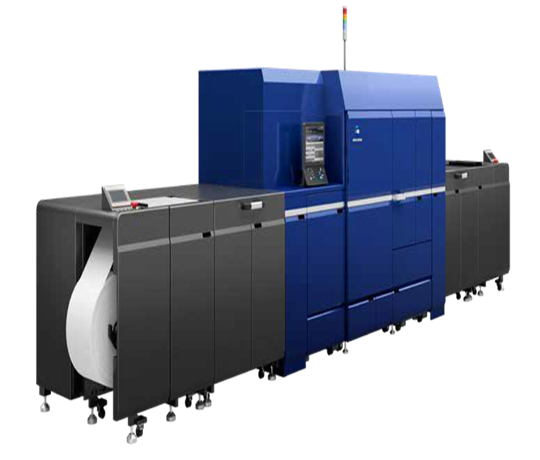
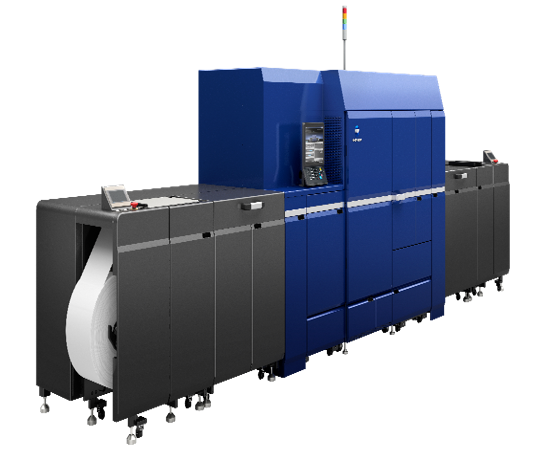
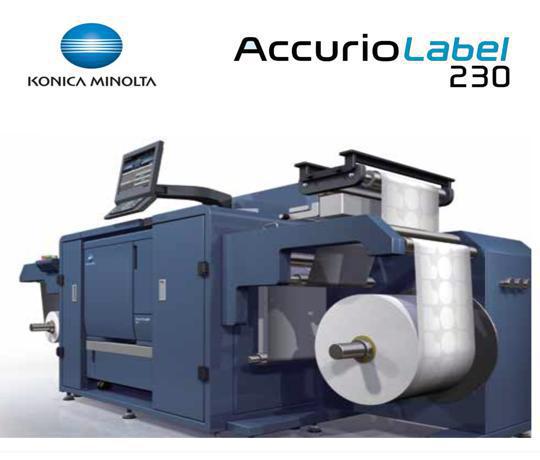
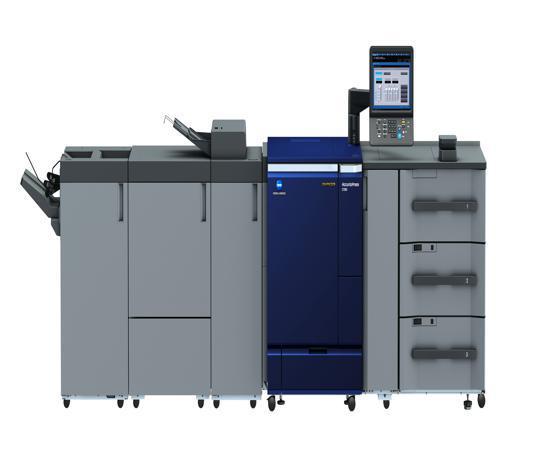
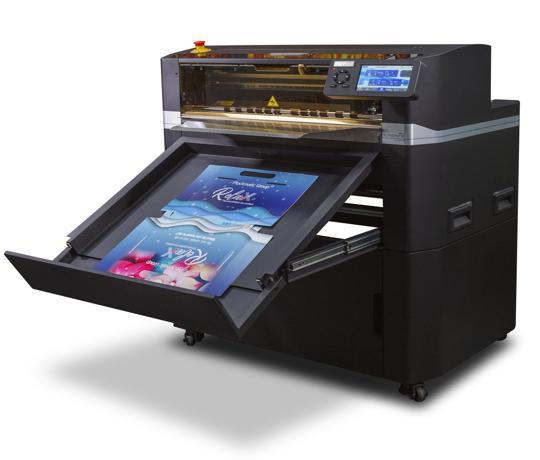
    AccurioLabel 230 (AL230)

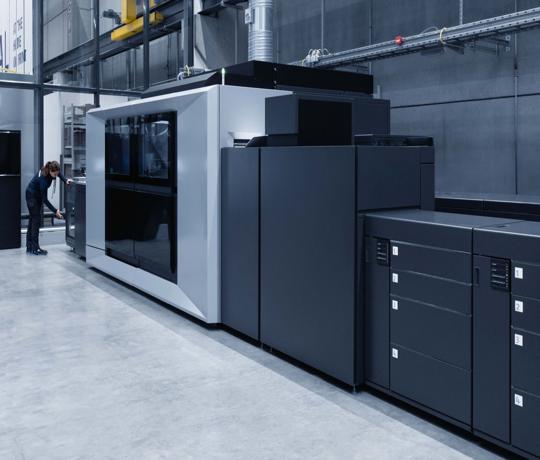
    What Is the Machine Capable Of? Digital Label Printer AccurioLabel 230 with its superb productivity, image quality and operability as well as its economical features is ideal for those wishing to gain a foothold in the label market and require parallel use with existing analogue presses. The AL230 improves overall productivity and job acceptability, especially with overprinting capabilities on pre-printed transparency or coloured media. This allows it to meet the demands of digital printing businesses such as shorter turnaround times and expansion of print applications. High image quality is realized by Konica Minolta's unique technology through faithfully facing high-level needs in the digital print market. Colour fluctuation is controlled within the minimum under various conditions, this ensures a stable and beautiful finish from the first to the last print. The high image quality of the AL230 adds value to printed materials and generates additional advantages to printing services. When was the machine launched and what market is it aimed at? The AL230 was launched in the Middle East market in the last quarter of 2019. How does the AL230 work? The product is a combination of legacy Konica Minolta Print Technology and media handling from the world’s leading manufacturers of label media handling and finishing. The print engine is based on Electrophotography Technology utilizing CMYK Colors. The print engine receives input through Konica Minolta’s own print controller and can be combined with Konica Minolta’s AccurioLabel Impose for imposition. What does the Konica Minolta AccurioLabel 230 do? AccurioLabel 230 (AL230) is a digital label printing system that offers enhanced productivity, job flexibility, operability, and excellent image quality with affordable system cost. It is a perfect fit for business expansion and parallel use with existing analogue presses. How does the new model differ from the AL 190? AL230 offers overprinting capability with accurate registration at a speed of up to 23.4 meter/minutes and has short warm-up time, which not only minimizes job switching time, but also paper waste. How Productive is the AL230? Continuous highest quality 1200 x 1200 dpi print runs of up to 1,000 meters can be achieved without the need for recalibration. The time taken between jobs has also been eliminated, increasing productivity further. What is the USP of the product? The AL230 can print at a maximum speed of 23.4 meter/min, ensuring productivity. It is capable of excellent image quality and thanks to the sophisticated colour management features, it can deliver superb colour stability. How easy it is to use? Compared not only to flexography, but also liquid development and inkjet printers, AccurioLabel 230 ensures ease of maintenance. Tasks that take time on analogue machines such as colour adjustments can be performed with ease on a digital machine. The ability to perform operations simply by following on-screen instructions makes it possible to operate the machine with little time needed for training. What service support is on offer? Service support ranges from full comprehensive services to various other service options. Our dedicated distributors in each country will be happy to discuss and tailor a service plan best suited to the customers’ needs. Specifications Machine web width: 345 mm / 445 mm Printing speed:  Max 23.4 m/min Printing resolution: 3600dpi (equivalent) x 1200dpi / 8-bit Printing width:  250 to 330 mm Substrate types and thickness: 81 to 256 gsm
    Aug. 2, 2022
Top