Flashing News

Image

ERP software for printing industry: Key benefits explained

Written by Pratik Shah, Creative Head - PrintXpand The printing industry work environment is very dynamic with accuracy, speed and control of cost playing major roles. The use of manual control over various print jobs, materials, machines and delivery schedules is prone to inefficiencies and errors. This is where the ERP for printing industry comes as a necessity and not fancy. Enterprise Resource Planning systems designed specifically for print businesses help centralize operations, improve visibility, and streamline workflows. From job estimation and production scheduling to inventory control and invoicing, ERP software plays a vital role in transforming how print companies operate. In this blog, we explore the key benefits of ERP software for printing industry and explain why it is becoming a core requirement for modern print businesses. Understanding ERP for Printing Industry ERP for printing industry is the centralized software platform that brings all the main business functions of a printing company to one platform. As opposed to generic ERP systems, print focused ERP solutions are designed to support industry unique issues like variable job specification, quick turnaround, and sophisticated costing designs. These systems often work alongside or integrate with print MIS software and web to print MIS platforms to create a seamless flow of data from order placement to final delivery. ERP systems bring together various departments within an organization such as sales, production, inventory, and finance hence providing consistency and transparency in operations. Common Challenges Faced by Print Businesses It is prudent to know the difficulties that print businesses encounter on a daily basis before learning the advantages of ERP software. Most printing companies are using spreadsheets or disjointed software to track orders and production. This causes poor job costing, wastage of materials, late deliveries as well as the absence of real time visibility. Manual scheduling can lead to machine downtimes or production bottlenecks. Any type of inventory mismanagement may result in excess stock or even a sudden out-of-stock of key materials. There is also the increased expectation of customers. Customers are pressuring them to deliver faster services, correct manufacturing costs and quality services. The inability to have a centralized system makes it harder and harder to live up to these expectations. This is where mis software for printing industry integrated with ERP brings significant value. Key Benefits of ERP Software for Printing Industry Streamlined Production Planning and Scheduling Enhanced production planning can be given as one of the most critical advantages of ERP for printing industry. The ERP systems enable print companies to schedule jobs according to the availability of machines, capacity of the workforce, and delivery dates. ERP minimizes the wastage of time through automation of job sequencing and production schedules to maximize utilization of resources. Managers will be able to monitor the progress of the jobs real-time and make immediate changes when priorities are shifted. Such control assists print firms to print in time. Accurate Job Costing and Quotation Management Proper costing is a significant issue in the printing business because of the changes in the prices of materials and the different specifications of the jobs. ERP software for printing industry enables real time job costing by factoring in materials, labor, machine time, and overheads. Using precise costing information, the sales teams are able to make accurate quotations within a short duration. This minimizes the chances of quoting the jobs at a lower cost or losing business on offers that take too long to respond to. Integrated print MIS software ensures that cost estimates align with actual production data, improving profitability. Improved Inventory and Material Management ERP systems give full access to the inventory stored in warehouses and production floors. Print businesses are able to monitor the raw materials e.g. paper, ink and plates in real time. Stockouts can be prevented by automation of reorder alerts and waste can be minimized by proper monitoring of consumption. This becomes particularly useful when the quantity of print jobs, or even custom jobs is high. By integrating ERP with mis software for the printing industry, companies gain tighter control over material usage and inventory costs. Enhanced Workflow Automation and Job Tracking ERP software automates some of the repetitive jobs like creating jobs, approving workflow and updating the status. This minimizes the number of errors in manual processes and enhances efficiency in operations. All departments operate on the same data which leads to improved coordination of the sales, production, and dispatch teams. Job tracking can be done in real time and is better at enhancing accountability and detecting early delays. When combined with web to print MIS, ERP creates a smooth flow from online order placement to production and delivery. Better Order Management and Delivery Accuracy Order management is a critical area where ERP software for printing industry delivers significant value. ERP systems trace all the order stages all the way through order entry and up to final dispatch. This guarantees good order filling and prompt deliveries. The customers are constantly informed about the status of the orders, and this enhances transparency and confidence. Better customer relationships are also achieved because it results in increased accuracy on delivery and reduction of reprints and customer complaints. Real Time Visibility and Reporting ERP systems have centralized dashboards and reports which make the management have a clear picture of the business performance. Real time availability of metrics like job profitability, production efficiency, material consumption and delivery timelines are available. This information based understanding assists decision makers to detect inefficiencies, manage expenses and strategize how money will be invested in the future. These insights can enable print businesses to scale operations in a strategic manner and react fast to market changes. Quality Control and Process Consistency It is paramount that the quality is kept with the printing industry. ERP software assists in the management of quality control through standardization of the workflow and keeping production records. The system may have quality checkpoints that would guarantee adherence to the internal standards and customer demands. Past job information assists in correcting the common problems and enhancing processes in the long run. This leads to the reduction of reworks and customer satisfaction. Improved Customer Satisfaction and Retention The customers are direct beneficiaries when print business runs smoothly. The improved turnaround time, correct pricing and guaranteed delivery times improve the overall customer experience. ERP system enhances interdepartmental communication which makes sure that the requirements of the customer are well understood and implemented. In the long-term this reliability creates long term relationships with customers as well as augmenting repeat business. Conclusion ERP for printing industry is now an important tool that businesses seek to implement in an attempt to enhance efficiency, cut costs and remain competitive. ERP software, by consolidating production planning, inventory management, job costing, and reporting, enhances the print operations, which previously were fragmented into different processes, into flowing operations. When combined with web to print MIS and print MIS software, ERP systems create a powerful digital foundation for growth and scalability. The ERP solution will be of great help to print businesses intending to modernise operations and provide customers with steady value. PrintXpand can assist digital transformation of the printing industry by providing expertise in companies that aim to acquire advanced print technology solutions and integrate these systems with each other.
1 of 52. >>
Image

ERP software for printing industry: Key benefits explained

Written by Pratik Shah, Creative Head - PrintXpand The printing industry work environment is very dynamic with accuracy, speed and control of cost playing major roles. The use of manual control over various print jobs, materials, machines and delivery schedules is prone to inefficiencies and errors. This is where the ERP for printing industry comes as a necessity and not fancy. Enterprise Resource Planning systems designed specifically for print businesses help centralize operations, improve visibility, and streamline workflows. From job estimation and production scheduling to inventory control and invoicing, ERP software plays a vital role in transforming how print companies operate. In this blog, we explore the key benefits of ERP software for printing industry and explain why it is becoming a core requirement for modern print businesses. Understanding ERP for Printing Industry ERP for printing industry is the centralized software platform that brings all the main business functions of a printing company to one platform. As opposed to generic ERP systems, print focused ERP solutions are designed to support industry unique issues like variable job specification, quick turnaround, and sophisticated costing designs. These systems often work alongside or integrate with print MIS software and web to print MIS platforms to create a seamless flow of data from order placement to final delivery. ERP systems bring together various departments within an organization such as sales, production, inventory, and finance hence providing consistency and transparency in operations. Common Challenges Faced by Print Businesses It is prudent to know the difficulties that print businesses encounter on a daily basis before learning the advantages of ERP software. Most printing companies are using spreadsheets or disjointed software to track orders and production. This causes poor job costing, wastage of materials, late deliveries as well as the absence of real time visibility. Manual scheduling can lead to machine downtimes or production bottlenecks. Any type of inventory mismanagement may result in excess stock or even a sudden out-of-stock of key materials. There is also the increased expectation of customers. Customers are pressuring them to deliver faster services, correct manufacturing costs and quality services. The inability to have a centralized system makes it harder and harder to live up to these expectations. This is where mis software for printing industry integrated with ERP brings significant value. Key Benefits of ERP Software for Printing Industry Streamlined Production Planning and Scheduling Enhanced production planning can be given as one of the most critical advantages of ERP for printing industry. The ERP systems enable print companies to schedule jobs according to the availability of machines, capacity of the workforce, and delivery dates. ERP minimizes the wastage of time through automation of job sequencing and production schedules to maximize utilization of resources. Managers will be able to monitor the progress of the jobs real-time and make immediate changes when priorities are shifted. Such control assists print firms to print in time. Accurate Job Costing and Quotation Management Proper costing is a significant issue in the printing business because of the changes in the prices of materials and the different specifications of the jobs. ERP software for printing industry enables real time job costing by factoring in materials, labor, machine time, and overheads. Using precise costing information, the sales teams are able to make accurate quotations within a short duration. This minimizes the chances of quoting the jobs at a lower cost or losing business on offers that take too long to respond to. Integrated print MIS software ensures that cost estimates align with actual production data, improving profitability. Improved Inventory and Material Management ERP systems give full access to the inventory stored in warehouses and production floors. Print businesses are able to monitor the raw materials e.g. paper, ink and plates in real time. Stockouts can be prevented by automation of reorder alerts and waste can be minimized by proper monitoring of consumption. This becomes particularly useful when the quantity of print jobs, or even custom jobs is high. By integrating ERP with mis software for the printing industry, companies gain tighter control over material usage and inventory costs. Enhanced Workflow Automation and Job Tracking ERP software automates some of the repetitive jobs like creating jobs, approving workflow and updating the status. This minimizes the number of errors in manual processes and enhances efficiency in operations. All departments operate on the same data which leads to improved coordination of the sales, production, and dispatch teams. Job tracking can be done in real time and is better at enhancing accountability and detecting early delays. When combined with web to print MIS, ERP creates a smooth flow from online order placement to production and delivery. Better Order Management and Delivery Accuracy Order management is a critical area where ERP software for printing industry delivers significant value. ERP systems trace all the order stages all the way through order entry and up to final dispatch. This guarantees good order filling and prompt deliveries. The customers are constantly informed about the status of the orders, and this enhances transparency and confidence. Better customer relationships are also achieved because it results in increased accuracy on delivery and reduction of reprints and customer complaints. Real Time Visibility and Reporting ERP systems have centralized dashboards and reports which make the management have a clear picture of the business performance. Real time availability of metrics like job profitability, production efficiency, material consumption and delivery timelines are available. This information based understanding assists decision makers to detect inefficiencies, manage expenses and strategize how money will be invested in the future. These insights can enable print businesses to scale operations in a strategic manner and react fast to market changes. Quality Control and Process Consistency It is paramount that the quality is kept with the printing industry. ERP software assists in the management of quality control through standardization of the workflow and keeping production records. The system may have quality checkpoints that would guarantee adherence to the internal standards and customer demands. Past job information assists in correcting the common problems and enhancing processes in the long run. This leads to the reduction of reworks and customer satisfaction. Improved Customer Satisfaction and Retention The customers are direct beneficiaries when print business runs smoothly. The improved turnaround time, correct pricing and guaranteed delivery times improve the overall customer experience. ERP system enhances interdepartmental communication which makes sure that the requirements of the customer are well understood and implemented. In the long-term this reliability creates long term relationships with customers as well as augmenting repeat business. Conclusion ERP for printing industry is now an important tool that businesses seek to implement in an attempt to enhance efficiency, cut costs and remain competitive. ERP software, by consolidating production planning, inventory management, job costing, and reporting, enhances the print operations, which previously were fragmented into different processes, into flowing operations. When combined with web to print MIS and print MIS software, ERP systems create a powerful digital foundation for growth and scalability. The ERP solution will be of great help to print businesses intending to modernise operations and provide customers with steady value. PrintXpand can assist digital transformation of the printing industry by providing expertise in companies that aim to acquire advanced print technology solutions and integrate these systems with each other.
1 of 52. >>
sidebar image
Editor

ERP software for printing industry: Key benefits explained

Written by Pratik Shah, Creative Head - PrintXpand The printing industry work environment is very dynamic with accuracy, speed and control of cost playing major roles. The use of manual control over various print jobs, materials, machines and delivery schedules is prone to inefficiencies and errors. This is where the ERP for printing industry comes as a necessity and not fancy. Enterprise Resource Planning systems designed specifically for print businesses help centralize operations, improve visibility, and streamline workflows. From job estimation and production scheduling to inventory control and invoicing, ERP software plays a vital role in transforming how print companies operate. In this blog, we explore the key benefits of ERP software for printing industry and explain why it is becoming a core requirement for modern print businesses. Understanding ERP for Printing Industry ERP for printing industry is the centralized software platform that brings all the main business functions of a printing company to one platform. As opposed to generic ERP systems, print focused ERP solutions are designed to support industry unique issues like variable job specification, quick turnaround, and sophisticated costing designs. These systems often work alongside or integrate with print MIS software and web to print MIS platforms to create a seamless flow of data from order placement to final delivery. ERP systems bring together various departments within an organization such as sales, production, inventory, and finance hence providing consistency and transparency in operations. Common Challenges Faced by Print Businesses It is prudent to know the difficulties that print businesses encounter on a daily basis before learning the advantages of ERP software. Most printing companies are using spreadsheets or disjointed software to track orders and production. This causes poor job costing, wastage of materials, late deliveries as well as the absence of real time visibility. Manual scheduling can lead to machine downtimes or production bottlenecks. Any type of inventory mismanagement may result in excess stock or even a sudden out-of-stock of key materials. There is also the increased expectation of customers. Customers are pressuring them to deliver faster services, correct manufacturing costs and quality services. The inability to have a centralized system makes it harder and harder to live up to these expectations. This is where mis software for printing industry integrated with ERP brings significant value. Key Benefits of ERP Software for Printing Industry Streamlined Production Planning and Scheduling Enhanced production planning can be given as one of the most critical advantages of ERP for printing industry. The ERP systems enable print companies to schedule jobs according to the availability of machines, capacity of the workforce, and delivery dates. ERP minimizes the wastage of time through automation of job sequencing and production schedules to maximize utilization of resources. Managers will be able to monitor the progress of the jobs real-time and make immediate changes when priorities are shifted. Such control assists print firms to print in time. Accurate Job Costing and Quotation Management Proper costing is a significant issue in the printing business because of the changes in the prices of materials and the different specifications of the jobs. ERP software for printing industry enables real time job costing by factoring in materials, labor, machine time, and overheads. Using precise costing information, the sales teams are able to make accurate quotations within a short duration. This minimizes the chances of quoting the jobs at a lower cost or losing business on offers that take too long to respond to. Integrated print MIS software ensures that cost estimates align with actual production data, improving profitability. Improved Inventory and Material Management ERP systems give full access to the inventory stored in warehouses and production floors. Print businesses are able to monitor the raw materials e.g. paper, ink and plates in real time. Stockouts can be prevented by automation of reorder alerts and waste can be minimized by proper monitoring of consumption. This becomes particularly useful when the quantity of print jobs, or even custom jobs is high. By integrating ERP with mis software for the printing industry, companies gain tighter control over material usage and inventory costs. Enhanced Workflow Automation and Job Tracking ERP software automates some of the repetitive jobs like creating jobs, approving workflow and updating the status. This minimizes the number of errors in manual processes and enhances efficiency in operations. All departments operate on the same data which leads to improved coordination of the sales, production, and dispatch teams. Job tracking can be done in real time and is better at enhancing accountability and detecting early delays. When combined with web to print MIS, ERP creates a smooth flow from online order placement to production and delivery. Better Order Management and Delivery Accuracy Order management is a critical area where ERP software for printing industry delivers significant value. ERP systems trace all the order stages all the way through order entry and up to final dispatch. This guarantees good order filling and prompt deliveries. The customers are constantly informed about the status of the orders, and this enhances transparency and confidence. Better customer relationships are also achieved because it results in increased accuracy on delivery and reduction of reprints and customer complaints. Real Time Visibility and Reporting ERP systems have centralized dashboards and reports which make the management have a clear picture of the business performance. Real time availability of metrics like job profitability, production efficiency, material consumption and delivery timelines are available. This information based understanding assists decision makers to detect inefficiencies, manage expenses and strategize how money will be invested in the future. These insights can enable print businesses to scale operations in a strategic manner and react fast to market changes. Quality Control and Process Consistency It is paramount that the quality is kept with the printing industry. ERP software assists in the management of quality control through standardization of the workflow and keeping production records. The system may have quality checkpoints that would guarantee adherence to the internal standards and customer demands. Past job information assists in correcting the common problems and enhancing processes in the long run. This leads to the reduction of reworks and customer satisfaction. Improved Customer Satisfaction and Retention The customers are direct beneficiaries when print business runs smoothly. The improved turnaround time, correct pricing and guaranteed delivery times improve the overall customer experience. ERP system enhances interdepartmental communication which makes sure that the requirements of the customer are well understood and implemented. In the long-term this reliability creates long term relationships with customers as well as augmenting repeat business. Conclusion ERP for printing industry is now an important tool that businesses seek to implement in an attempt to enhance efficiency, cut costs and remain competitive. ERP software, by consolidating production planning, inventory management, job costing, and reporting, enhances the print operations, which previously were fragmented into different processes, into flowing operations. When combined with web to print MIS and print MIS software, ERP systems create a powerful digital foundation for growth and scalability. The ERP solution will be of great help to print businesses intending to modernise operations and provide customers with steady value. PrintXpand can assist digital transformation of the printing industry by providing expertise in companies that aim to acquire advanced print technology solutions and integrate these systems with each other.
Read More
1 of 52 >>
Image

Transforming Textiles: Dino Zoli Textile’s Journey with Mimaki

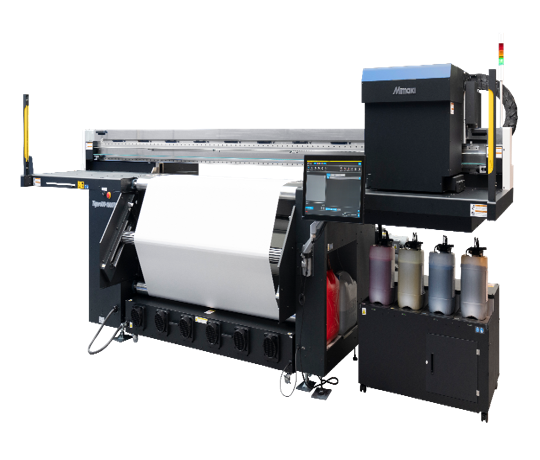
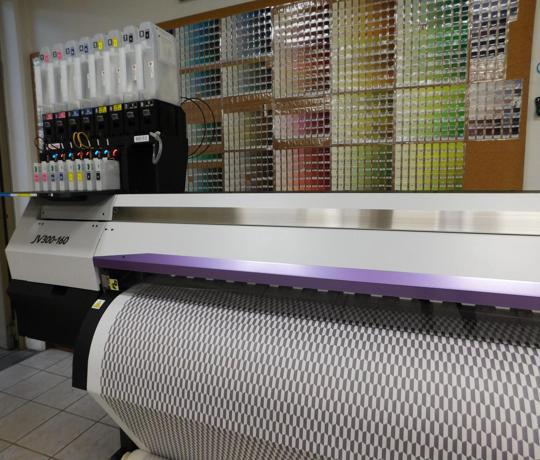
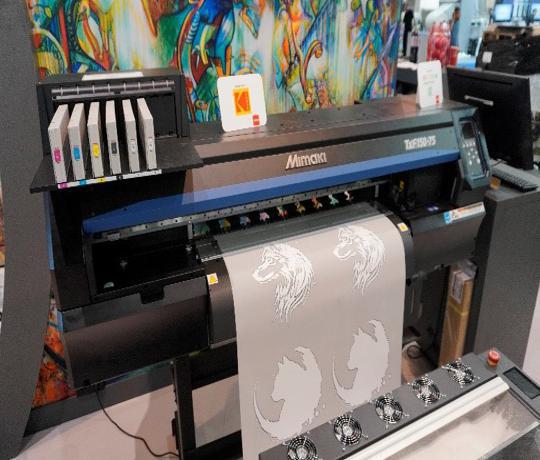
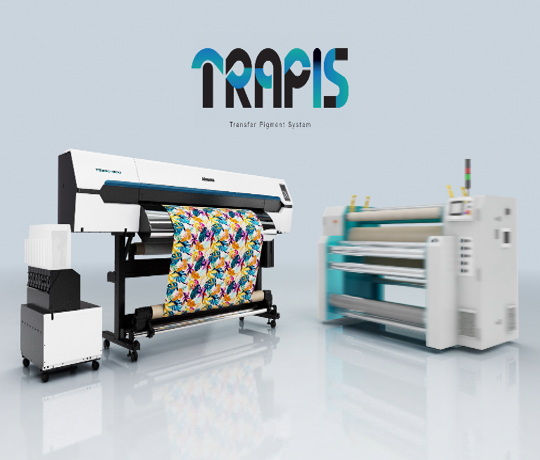
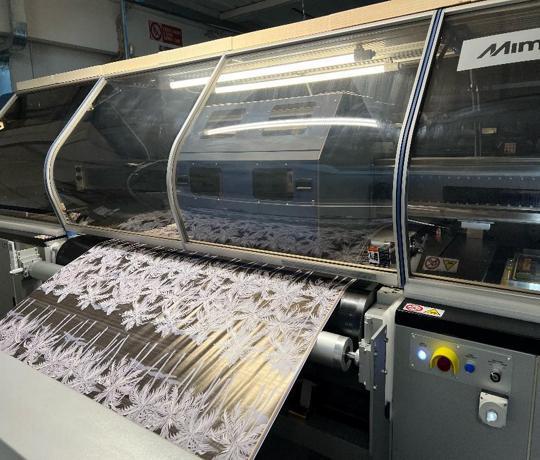
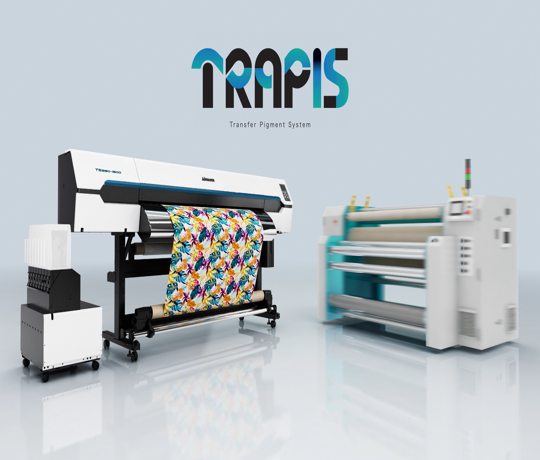
Dino Zoli Textile is a well-established Italian company specialising in the production and supply of a broad range of textile products. With a successful history of over 50 years, they have been at the forefront of innovation, continually meeting the evolving demands of their diverse client base. Their partnership with Mimaki, a leading manufacturer of wide-format inkjet printers, has allowed them to expand their product offerings and increase customisation, driving their success in an ever-competitive market.  The Dino Zoli Journey  Founded in 1972, Dino Zoli Textile started as a furniture wholesaler in the Pesaro and Forlì area. Their initial offerings included more than just fabric for upholstered furniture. They supplied everything the local furniture industry needed, from armchair feet to quilted velvet and even cardboard products for templates.  However, in the late 1980s, DinoZoli Textile made a strategic shift and decided to focus exclusively on producing and supplying fabric, leading to its current pure textiles specialisation. The company's continuous efforts to stay ahead of trends saw them capitalising on microfibre, a cost-effective alternative to Alcantara, which was gaining recognition in the industry. Today, they continue to offer microfibre along with traditional natural and synthetic textiles.  Innovative Moves  Dino Zoli Textile is known for its proactive approach in finding and creating innovative products, manufacturing unique hybrid recycled leather and eco-leather products.  “According to the recent report "The future of Home 2030," the trends to watch out for in furniture, at least for the next decade, will all gravitate around the concept of the home-island: the home will increasingly become a multifunctional place in which to relax, play sports, read and enjoy infotainment, but also work. Increasingly furniture made of antibacterial materials, such as copper and cork, will be in demand — we see huge opportunity for continued innovation,” explained Marco Zoli, CEO at Dino Zoli Textile.  In an effort to cater to a diverse array of projects, Dino Zoli Textile established in-house design and production divisions. This setup allows them to deliver tailor-made services, ranging from contractual to off-the-shelf offerings.  Partnering with Mimaki  To further their commitment to customisation, Dino Zoli Textile invested in Mimaki printers, beginning with the JV300-160. This move allowed them to offer enhanced customisation for their collections and specific design requests from architectural firms. The plotters have expanded Dino Zoli's service offerings, significantly broadening their customer base.  Initially, the plotters were used for transfer printing, primarily for synthetic fabrics. However, Dino Zoli Textile later transitioned to direct printing using pigment inks for natural materials.    Dino Zoli expanded their capacity with the addition of Tx300P-1800B and Tx300P-1800 MkII systems. Featuring a belt system enabling to print with high quality and precision even on more complex fabrics with low tensile stability, the Tx300P-1800B proved to be an ideal solution to further enhance Dino Zoli Texile's know-how and R&D activities. Equally strategic, the Tx300P-1800 MkII printer is capable of both direct-to-textile and transfer printing, making it very useful for companies looking to drive innovative applications. Its interchangeable print platen and three different dual ink combinations lend it unprecedented flexibility within a single system, enabling Dino Zoli Textile to push the boundaries of textile design and production.  This innovation from Mimaki has allowed Dino Zoli to reap the benefits of digital print technology, which includes more cost-effective short runs and faster turnarounds. These advantages, which are not achievable with traditional analogue print methods, have transformed the way Dino Zoli operates. The technology has proven especially useful for sampling, allowing the company to trial new ideas and products with lower financial risk.  Harnessing flexibility for innovation  The Mimaki Tx300P-1800 MkII's versatility extends beyond its printing capabilities. It can handle an impressive range of fabrics, thanks to its design as a hybrid printer. Whether Dino Zoli is producing synthetic textiles or working with natural fibres, the Mimaki Tx300P-1800 MkII rises to the occasion, producing high-quality prints every time.  Furthermore, the Mimaki Tx300P-1800 MkII stands alone in the textile printing market with its unique ability to switch from direct printing to sublimation paper printing. By installing an easy-to-click vacuum platen, Dino Zoli can adapt its printing method according to the task at hand, giving it an edge over competitors.  Despite its high-performance capabilities, the Mimaki Tx300P-1800 MkII remains user-friendly, featuring a high head gap for accurate dot placement, even when operating at a higher print head gap. This function, designed for a broad range of materials and applications, allows Dino Zoli to produce an array of products, from fashion apparel and interior fabrics to sports apparel and soft signage. This wide production range ensures the company can cater to diverse customer needs, enhancing its reputation as a one-stop textile solution.  While this investment was timely, the onset of the COVID-19 pandemic resulted in this proposal remaining a niche offering due to difficult trading conditions.  Expanding Horizons  Despite these challenges, Dino Zoli Textile continues to innovate and expand its offerings. The company keeps turning its radars toward technology innovations that can enable them to cater to even more diverse customer needs.  The company has not stood still on the investment front either: the management recently decided to install a new printer from Mimaki. Working alongside the JV300-160, the TS330-1600, a dye-sublimation inkjet printer, has been chosen with the aim of helping increase productivity with the high-quality standards Dino Zoli Textile has been renowned for since its outset. Beyond upholstered furniture (their core business), Dino Zoli Textile collaborates with architectural firms to provide turnkey solutions for hotels, restaurants, and public places. Their client base includes furniture manufacturers, upholsterers for household accessories to bed frames, cushion makers, and architectural and design studios. Dedication to Research & Development  Dino Zoli Textile’s commitment to innovation is evident in their allocation of resources, with nearly 30% of their turnover invested in research and development. These investments have resulted in products like soundproof panels that can be printed in-house. Their distributors have found success in proposing these products from recent trade fairs.  Moreover, their commitment to sustainability is seen across the company’s operations.  Marco Zoli, owner at Dino Zoli Textile commented: “We use water-based pigment inks because in our policy there is and always will be more environmental awareness. We have come out this year with a GRS (Global Recycle Standard)-certified product, which we have chosen to produce in the microfibre area, since we are very well known for microfibre at an international level. We were the first company to produce a fully GRS-certified product using recycled polyester. From this starting point, we expect 90% of our future products to adhere to these environmental standards, because we are strongly oriented towards the use of recycled fibres and we are also trying to get to the certification of total recyclability of the product to fully close the circle.”   Looking to the Future  In its five decades of operation, Dino Zoli Textile has proven its resilience and capability to adapt and innovate. Despite the challenges brought on by the global pandemic, they remain steadfast, maintaining their sales network and receiving positive feedback from the last three important trade events they attended.  The company’s commitment to human relationships and product reliability, coupled with the power of Mimaki’s technology, position them for continued success in the textile industry.   
<< 46 of 52. >>
sidebar image
james Bond 50 50

Migrants Told: Stay in France or go back to your country

Lorem ipsum dolor sit amet, consectetur adipiscing elit. Nunc nisl risus, tristique diam id, blandit condimentum

READ MORE

DIARY


STAR products

  • Agfa Avinci CX3200

    Avinci CX3200 is 3.2 m wide dye sub textile printer capable of printing on polyester-based textiles What is it? Agfa’s Avinci CX3200 is a highly reliable and convenient soft signage printer that can print directly to fabrics and onto transfer paper. It uses an off-line calendar unit to ensure perfect fixation. Agfa’s dedicated dye sublimation roll-to-roll printer will enable you to create vibrant, high-quality prints on polyester-based fabrics up to 3.2 m wide, including a broad range of in- and outdoor soft signage applications, as well as interior decoration. The Avinci CX3200 boasts a rich color gamut and delivers deep black, perfect solids, accurate spot color mapping and smooth tonal rendering that is particularly noticeable in skin tones. The Avinci inks are characterised by their flexibility, image longevity and outdoor resistance. They offer stable jetting performance and deliver the same high-quality results, batch after batch. An off-line calender unit fixes the color deeply into the structure of the polyester-based fabrics while evaporating the carrier fluid. When was it launched at what are the target markets? It was launched on June 22, 2021, and aimed at soft signage industry, sports wear, fashion industry and home décor. Avinic CX3200 is a 3.2 m wide Dye Sub Textile printer capable of printing on polyester based textiles. Does it replace an earlier product? It replaces the earlier model of DX3200. The Avinci CX3200 is driven by Agfa’s Asanti wide-format workflow software. Color accuracy is provided by the easy-to-use color management. Using  their Calibrated Print Mode feature, new media can be calibrated and profiled in less than 15 minutes, after which the new profiles can be used to guarantee print quality. Asanti controls and automates the entire printing process from file intake to finishing, maximising productivity. Its comprehensive integration of file handling, color management and preflighting guarantees smooth and error-free jobs. The web-based Asanti Production Dashboard offers a view on your running production. It summarizes the jobs produced and reports on quantity printed, media usage, ink volumes enabling you to control your production and to manage your print shop optimally. What is the USP? It allows you to print directly on textiles and capable of print on transfer paper media as well. Single person media loading and low inks consumptions are another features. High productivity and a robust design for reliable printing at all times, vibrant prints and a wide color gamut; fine detail rendering; extensive applications scope; low ink consumption; convenient operations and a fast changeover between jobs are another features. Avinci produces good results with a minimum of jetted ink. This low ink consumption is based on Agfa’s renowned Thin Ink Layer technology: a smart combination of particular ink characteristics and our Asanti workflow software algorithms that tune the ink quantities perfectly to the required image quality mode. What training and support are available? Full in house training and support available from Agfa UAE and Belgium. Complete and integrated solution are available for printer, inks, workflow software, worldwide service and applications support. How productive is it? It prints at speed of 250 Sqm per hr on express mode. Being able to print directly to fabric is easy and ideal for fast handling and for special applications such as flags, where print-though is needed. Transfer paper allows for super sharp prints, eliminates any set-off, and limits media waste to a minimum. In addition, it extends the application scope to sportswear and fashion garments, as well as home décor prints on non-coated polyester fabrics. What does it cost? How is it sold? The recommended retail price (RRP) is approximately $220k stand alone printer and requires a separate calendaring unit. How many are in use? Currently, the latest CX3200 are around 11 units around the world. Specifications 3.2m Dye sublimation Printer Kyocera print heads 4 colour printer CYMK Direct to garment capable to print on transfer paper Max speed of 250 sqm Stand alone printer Resolution up to 600 x 1800 dpi Media types: Polyester-based fabrics, or transfer paper used to create banners, indoor wall graphics, shop decoration, outdoor advertising, light boxes, trade show displays, flags and high polyester-based blends “Agfa Avinci CX3200  was launched in June 2021.”
    Aug. 2, 2022

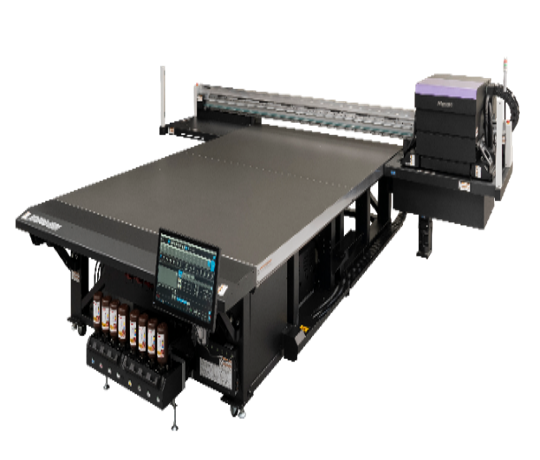
    Epson – SureColor SC V7000 Flatbed Printer

    Epson's first UV large format printer offers exceptional image quality, Shihab Zubair What is it? The SureColor SC-V7000 is Epson's first UV large format printer, offering exceptional image quality. The V7000 is ideal for printing eye-catching retail and outdoor signage, window displays, hoarding panels, packaging, promotional goods, and décor products. It includes Epson’s Micro Piezo printhead with ten newly developed original inks, for accurate colour reproduction for spot and corporate colours. It allows businesses the flexibility to print on a range of media up to 80mm thick including acrylics, polycarbonates, PVC, glass, aluminium, metal, polyester, foam board, styrene, wood and stone. The printhead layout enables simultaneous high-speed printing and, with the 4-zone vacuum system, it offers real flexibility for production environments. When was it launched at what are the target markets? The Epson SureColor SC-V7000 was launched in April 2021 within the Middle East region, building on the success of Epson’s award-winning range of SureColor S Series signage printers. The V7000 allows sign and display makers to expand their portfolio of products, to deliver high quality, fast and reliable results on a variety of different media. Does it replace an earlier product? The SureColor SC-V7000 proudly marks Epson’s entry into the UV flatbed signage print market. As Epson’s first UV large format printer, it provides unique features to differentiate and enhance our offering to the signage market. Every feature of the Epson SureColor SC-V7000 has been designed with the customer in mind. This is a robust and affordable UV LED flatbed signage printer capable of fast and quality printing on a wide range of media – any type of surface, despite the size, thickness, or weight. This is in addition to Epson’s successful product solutions such as the Epson SureColor SC Series of eco-solvent and resin ink printers. For instance, for environmentally friendly organisations, Epson’s SureColor SC-R5010 Series has the capacity to include a resin ink solution, offering print service providers and creative design agencies the ability to produce a wide range of signage in a more sustainable way, without compromising on the results. For a larger ink capacity, Epson offers the SureColor SC-R5010L. What is the USP? The Epson SureColor SC-V7000 provides exceptional image quality, productivity, usability, and safety. With the unique Epson Micro Piezo printhead, the printer has ten newly developed original inks and 3-layer high-speed printing. It helps print with ease and safety with automatic measurement of media thickness, a multi-zone vacuum, and a printhead crash prevent function, Epson Edge Print, proximity sensors. What training and support is available? Epson manufactures all the components for the SureColor SC-V7000, including printheads, inks and software, in order to reach the consistent quality levels that our customers expect. The Epson Cloud Solution PORT is a cloud-based system from where you will be able to monitor equipment across several sites, or several printers across one site, from the production floor or remotely, and assist the control of production. This enables efficient production planning, increased uptime and enhanced support. Epson Production Monitor is part of the Epson Cloud Solution PORT suite of apps and allows you to examine the production status in real-time. If an issue occurs, it can be corrected efficiently with minimal disruption to the print run. How productive is it? The SureColor SC-V7000 enables businesses to print at high speed with a maximum print area of 2.5 metres by 1.25 metres. The printhead layout enables simultaneous high-speed printing, with white ink and varnish, without losing productivity. What does it cost? How is it sold? The recommended retail price (RRP) is around AED 330,563 (US $90,000) and it is sold through authorised partners in the Middle East. How many are in use? Currently two printers have been installed in the UAE, and we are scheduled to install a few more in December and further into 2022. Specifications UltraChrome UV 10-colour inkset Printing resolution of 720 x 1,440 DPI Outstanding print quality High-speed simultaneous printing even when using white, colour and varnish Printheads, ink, firmware and software with an ink tank capacity of 1,000 ml  Price from AED 330,563 “Epson SureColor SC-V7000 was launched in April 2021.”
    Aug. 2, 2022
    • 1 of 4 >>
Top